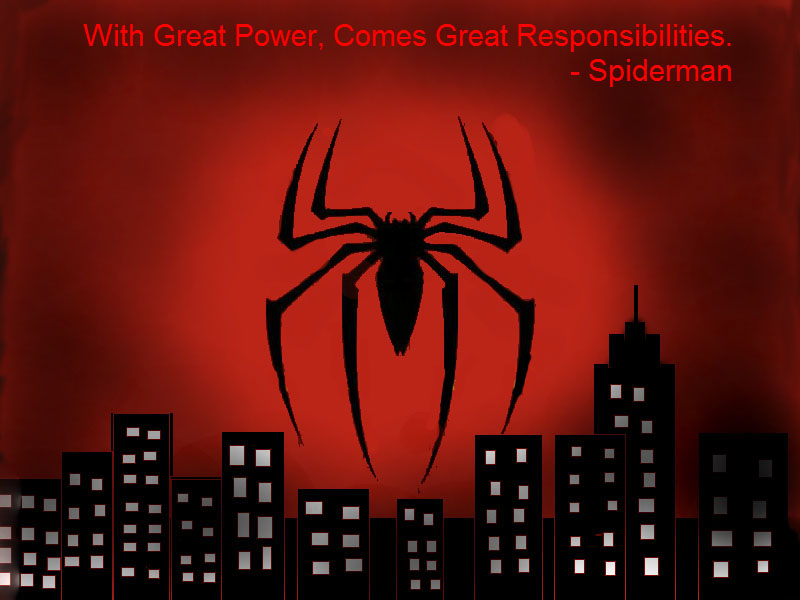
With Great Power Comes Great Responsibility: The Core Theme of Spider-Man Animation
Introduction
“With great power comes great responsibility” is perhaps the most iconic and enduring theme in the Spider-Man mythos. Coined by Stan Lee and Steve Ditko in the early Spider-Man comics, this phrase has become a defining principle not just for Spider-Man but for superhero narratives as a whole. This analysis examines how this core theme is explored across Spider-Man animated series, tracing its evolution, variations, and enduring relevance throughout the decades.
The Origin and Evolution of the Theme
The Comic Book Origin
The phrase “With great power comes great responsibility” first appeared in “Amazing Fantasy” #15 (1962), the debut issue of Spider-Man. It was spoken by Uncle Ben to Peter Parker before his tragic death, serving as a moral compass for the young hero. This moment would go on to define Spider-Man’s character and become a central theme in all subsequent adaptations, including animated series.
Early Animated Adaptations (1960s-1980s)
-
Spider-Man (1967-1970)
- Theme Exploration: The series introduced the core theme but presented it in a simplified manner
- Key Moments: Uncle Ben’s death and the lesson it imparts are referenced but not fully explored
- Narrative Impact: The theme serves as a basic motivation for Spider-Man’s heroism
- Cultural Context: Reflects the simpler storytelling conventions of 1960s children’s animation
-
Spider-Man (1981-1982)
- Theme Exploration: The theme receives more depth than in the 1967 series
- Key Moments: Uncle Ben’s death is depicted with more emotional weight
- Narrative Impact: The theme begins to drive character development rather than just motivation
- Cultural Context: Reflects the growing sophistication of children’s animation in the 1980s
-
Spider-Man and His Amazing Friends (1981-1983)
- Theme Exploration: The theme is expanded to include Spider-Man’s friends, Iceman and Firestar
- Key Moments: Episodes often focus on the responsibilities that come with superpowers
- Narrative Impact: The theme becomes a shared principle among the three heroes
- Cultural Context: Reflects the growing trend of ensemble superhero teams in animation
The Definitive Exploration (1994-1998)
- Spider-Man: The Animated Series (1994-1998)
- Theme Exploration: The most comprehensive exploration of the theme up to that point
- Key Moments: Uncle Ben’s death is depicted in detail, and its impact on Peter is explored throughout the series
- Narrative Impact: The theme drives not just Peter’s actions but his entire character arc
- Cultural Context: Reflects the more mature storytelling approach of 1990s animation
Modern Adaptations (2000s-Present)
-
The Spectacular Spider-Man (2008-2009)
- Theme Exploration: One of the most nuanced explorations of the theme
- Key Moments: Uncle Ben’s death and the lesson it imparts are central to the series
- Narrative Impact: The theme is woven into every aspect of Peter’s life, from his personal relationships to his superhero activities
- Cultural Context: Reflects the growing complexity of animated storytelling in the 2000s
-
Ultimate Spider-Man (2012-2017)
- Theme Exploration: The theme is expanded to include a team of young superheroes
- Key Moments: Episodes often focus on the responsibilities that come with being a superhero team
- Narrative Impact: The theme becomes a shared principle among the team members
- Cultural Context: Reflects the trend of team-based superhero narratives in the 2010s
-
Spider-Man (2017-2020)
- Theme Exploration: The theme is reimagined for a new generation
- Key Moments: Uncle Ben’s death is referenced, and its impact on Peter is explored
- Narrative Impact: The theme drives Peter’s growth as both a person and a hero
- Cultural Context: Reflects the current trend of serialized storytelling in animation
-
Spider-Man: Into the Spider-Verse (2018)
- Theme Exploration: The theme is expanded to include multiple Spider-People from different dimensions
- Key Moments: Each Spider-Person has their own interpretation of the theme
- Narrative Impact: The theme becomes a unifying principle for the diverse group of heroes
- Cultural Context: Reflects the growing popularity of multiverse stories in superhero media
Variations of the Theme
Personal Responsibility
- Self-Sacrifice: Spider-Man often sacrifices his personal happiness for the greater good
- Moral Dilemmas: The theme is explored through moral dilemmas that test Spider-Man’s commitment to responsibility
- Guilt and Regret: Peter’s guilt over Uncle Ben’s death drives his sense of responsibility
- Growth and Maturity: The theme is tied to Peter’s growth and maturity as both a person and a hero
Social Responsibility
- Community Protection: Spider-Man’s responsibility extends to protecting his community
- Inspiration: Spider-Man’s actions inspire others to take responsibility for their own communities
- Role Modeling: Spider-Man serves as a role model for responsible behavior
- Social Justice: Some adaptations explore Spider-Man’s responsibility to address social injustice
Interpersonal Responsibility
- Relationships: Spider-Man’s sense of responsibility affects his personal relationships
- Secret Identity: The responsibility to protect his loved ones drives Peter to keep his secret identity
- Mentorship: More experienced versions of Spider-Man often take on mentorship roles, passing on the lesson of responsibility
- Teamwork: In ensemble adaptations, the theme is explored through the responsibilities of teamwork
Key Episodes and Storylines
“The Origin of Spider-Man” (Spider-Man: The Animated Series, 1994)
- Theme Exploration: This two-part episode provides a definitive animated retelling of Spider-Man’s origin
- Key Moments: Uncle Ben’s death and the lesson it imparts are central to the narrative
- Narrative Impact: Establishes the theme as the foundation of Spider-Man’s character
- Cultural Significance: Remains one of the most faithful and emotionally resonant adaptations of Spider-Man’s origin
“Intervention” (Spider-Man: The Animated Series, 1995)
- Theme Exploration: This episode explores the consequences of Spider-Man’s powers and responsibilities
- Key Moments: Spider-Man’s allies stage an intervention when his behavior becomes erratic due to the symbiote
- Narrative Impact: Highlights the burden of responsibility and the importance of relying on others
- Cultural Significance: Demonstrates the theme’s relevance beyond just Spider-Man’s origin
“Natural Selection” (The Spectacular Spider-Man, 2008)
- Theme Exploration: This episode explores the theme through Peter’s struggle to balance his personal life with his responsibilities as Spider-Man
- Key Moments: Peter must choose between attending a school event and stopping a villain
- Narrative Impact: Shows the ongoing nature of Peter’s struggle with responsibility
- Cultural Significance: Reflects the modern approach to exploring the theme as a continuous journey rather than a one-time lesson
“The Spider-Verse” (Ultimate Spider-Man, 2015)
- Theme Exploration: This multi-part episode explores the theme across multiple dimensions
- Key Moments: Different versions of Spider-Man from different dimensions share their experiences with power and responsibility
- Narrative Impact: Expands the theme to include a diverse range of perspectives
- Cultural Significance: Demonstrates the theme’s universal appeal across different interpretations of Spider-Man
“Into the Spider-Verse” (Spider-Man: Into the Spider-Verse, 2018)
- Theme Exploration: The entire film explores the theme through the journey of Miles Morales
- Key Moments: Miles receives advice from multiple Spider-People about the responsibility that comes with his powers
- Narrative Impact: Shows how the theme can be adapted for a new generation of Spider-Man
- Cultural Significance: Demonstrates the theme’s enduring relevance in modern superhero storytelling
The Theme’s Impact on Character Development
Peter Parker’s Growth
- From Selfish to Selfless: The theme drives Peter’s transformation from a selfish teenager to a selfless hero
- Moral Development: The theme guides Peter’s moral development and decision-making
- Emotional Maturity: The theme contributes to Peter’s emotional maturity as he learns to cope with the burdens of responsibility
- Identity Formation: The theme helps shape Peter’s identity as both Peter Parker and Spider-Man
Supporting Characters
- Inspiration: The theme inspires supporting characters to take responsibility for their own lives
- Reflection: Supporting characters often reflect different aspects of the theme
- Challenge: Supporting characters sometimes challenge Peter’s interpretation of the theme
- Growth: Supporting characters also grow and develop through their encounters with the theme
Villains
- Contrast: Villains often serve as foils to Spider-Man, rejecting the lesson of responsibility
- Tragedy: Some villains have their own tragic relationships with power and responsibility
- Redemption: The theme occasionally drives redemption arcs for villains who come to understand the importance of responsibility
- Reflection: Villains sometimes reflect the consequences of misusing power without taking responsibility
Cultural and Philosophical Significance
Philosophical Roots
- Virtue Ethics: The theme aligns with virtue ethics, emphasizing the importance of moral character
- Consequentialism: The theme also reflects consequentialist ethical principles, emphasizing the importance of acting for the greater good
- Kantian Ethics: The theme can be interpreted through a Kantian lens, emphasizing the importance of duty and moral obligation
- Existentialism: The theme touches on existentialist ideas about creating meaning through responsibility
Cultural Impact
- Popular Philosophy: The phrase “With great power comes great responsibility” has become a widely recognized philosophical principle beyond the context of Spider-Man
- Educational Tool: The theme is often used as an educational tool to teach children about responsibility
- Inspiration: The theme has inspired real-world acts of heroism and responsibility
- Cultural Touchstone: The phrase has become a cultural touchstone, referenced in various forms of media and everyday conversation
Relevance to Contemporary Issues
- Power and Accountability: The theme remains relevant to contemporary discussions about power and accountability
- Social Responsibility: The theme speaks to the importance of social responsibility in addressing modern challenges
- Digital Ethics: The theme can be applied to discussions about digital ethics and the responsibilities that come with online power
- Environmental Responsibility: The theme can also be interpreted in the context of environmental responsibility
The Theme’s Evolution in Animation
Changes in Storytelling Approach
- Simplification to Complexity: The theme has evolved from a simple moral lesson to a complex philosophical principle
- Explicit to Implicit: The theme is now often explored implicitly through character actions rather than explicitly stated
- Individual to Collective: The theme has expanded from an individual lesson to a collective principle
- Static to Dynamic: The theme is now often portrayed as a dynamic, evolving concept rather than a static rule
Changes in Visual Representation
- Symbolism: Visual symbolism is increasingly used to represent the theme
- Color Palette: Color palettes are often used to convey the emotional weight of the theme
- Animation Style: Different animation styles are used to explore different aspects of the theme
- Visual Storytelling: Visual storytelling techniques are used to convey the theme without explicit dialogue
Changes in Cultural Context
- Generational Shifts: The theme is adapted to resonate with different generations
- Social Movements: The theme is sometimes aligned with contemporary social movements
- Globalization: The theme is adapted to have global relevance
- Technological Change: The theme is explored in the context of modern technological developments
Conclusion
“With great power comes great responsibility” is more than just a catchphrase; it is the moral foundation of the Spider-Man mythos. Across Spider-Man animated series, this theme has evolved from a simple moral lesson to a complex, multi-faceted principle that explores the responsibilities of power in personal, social, and ethical contexts.
What makes this theme so enduring is its universal relevance. It speaks to the fundamental human experience of grappling with the responsibilities that come with our own abilities, whether great or small. It reminds us that power—however we define it—carries with it a duty to use it wisely and for the benefit of others.
As Spider-Man animated series continue to evolve, the theme of “With great power comes great responsibility” will undoubtedly continue to be reimagined and reinterpreted for new generations. However, its core message will remain constant: that we all have a responsibility to use our abilities for the greater good, and that this responsibility is both a burden and a privilege.
In the end, this theme is what makes Spider-Man more than just a superhero; it makes him a relatable, inspiring figure who reminds us of our own potential for goodness and our own responsibility to make the world a better place.