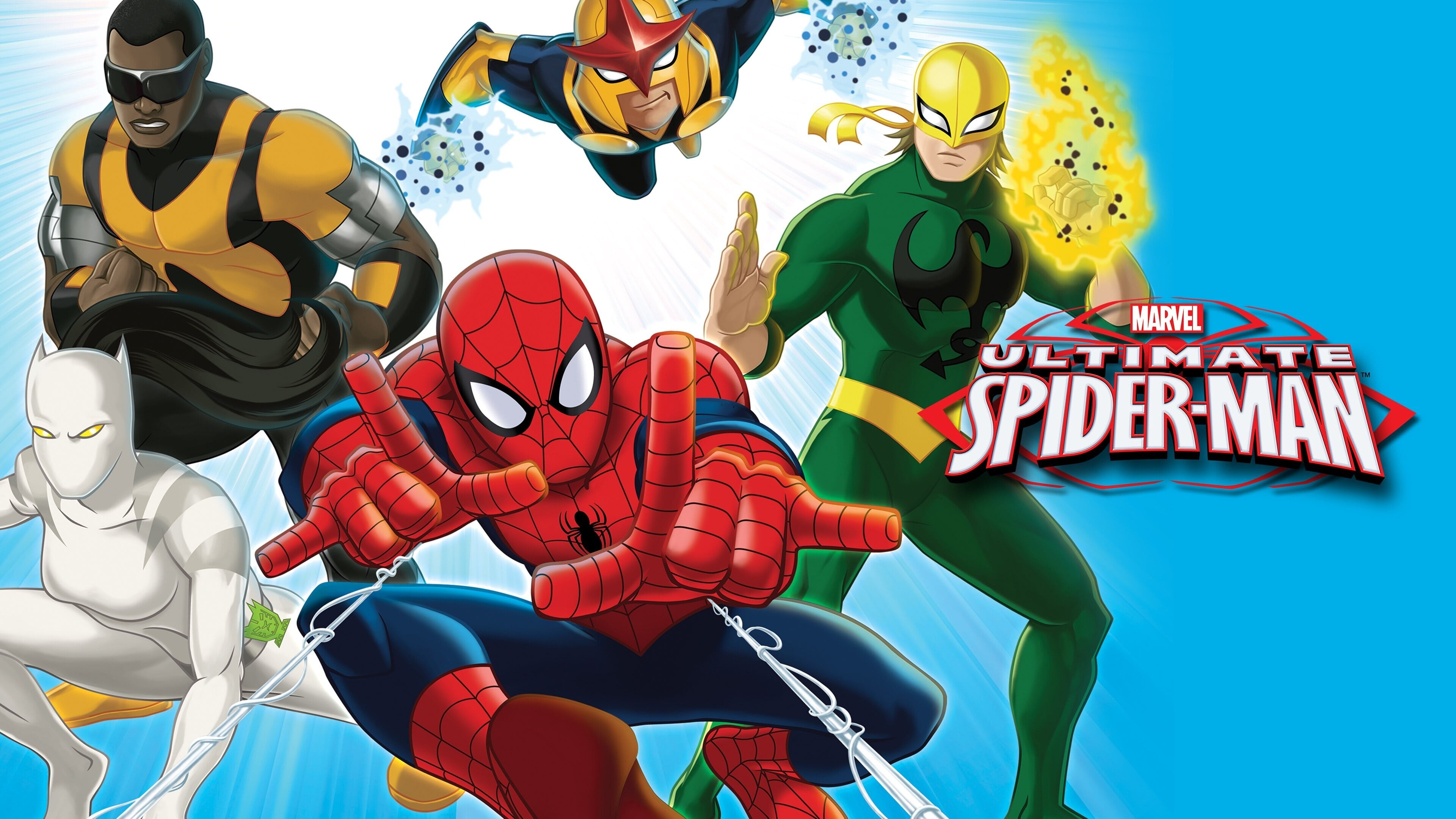
Ultimate Spider-Man: A New Approach to the Web-Slinger
Introduction
“Ultimate Spider-Man” aired from 2012 to 2017, marking a significant departure from previous Spider-Man animated series. Produced by Marvel Animation, this series took a more comedic approach, teaming Spider-Man with a group of young superheroes and incorporating elements of the Ultimate Marvel comic book universe. While it polarized fans with its lighter tone and comedic stylings, “Ultimate Spider-Man” found its own audience and ran for an impressive four seasons.
Production Background
Development
- Concept - The series was developed as part of Marvel Animation’s initiative to create interconnected animated series set in a shared universe
- Creative Team - Man of Action (the creative team behind “Ben 10” and “Generator Rex”) served as executive producers
- Animation Studio - Animated by several studios, including Film Roman, Titmouse, Inc., and Korean studios
- Air Dates - The series aired from April 1, 2012, to January 7, 2017, for a total of 104 episodes across four seasons
Animation Style
- Stylized Animation - The series featured a more stylized, cartoony animation style compared to previous Spider-Man series
- Character Designs - Inspired by the Ultimate Marvel comics but with a more exaggerated, animated-friendly style
- Visual Gags - Incorporated visual gags and comedic elements into the animation
- Dynamic Action - Still maintained dynamic action sequences despite its comedic tone
Storytelling Approach
Season Structure
- Season 1 - Introduces Spider-Man joining S.H.I.E.L.D. and forming a team with other young heroes
- Season 2: Ultimate Spider-Man vs. the Sinister Six - Focuses on the team’s battles against the Sinister Six
- Season 3: Ultimate Spider-Man: Web Warriors - Expands the scope to include the multiverse and other versions of Spider-Man
- Season 4: Ultimate Spider-Man vs. the Sinister 6 - Features a darker tone and more serialized storytelling
- Format Evolution - The series evolved from standalone episodes to more serialized storytelling in later seasons
Notable Story Arcs
- S.H.I.E.L.D. Academy Arc (Season 1) - Spider-Man joins S.H.I.E.L.D. and forms a team with Nova, White Tiger, Iron Fist, and Power Man
- Sinister Six Arc (Season 2) - The team battles Doctor Octopus’ Sinister Six
- Spider-Verse Arc (Season 3) - Spider-Man teams up with alternate versions of himself from across the multiverse
- Hydra Arc (Season 4) - The team battles Hydra and a more dangerous version of the Sinister Six
Comedic Elements
- Meta Humor - The series frequently breaks the fourth wall and includes meta references
- Visual Gags - Incorporates slapstick humor and visual gags
- Pop Culture References - Includes numerous references to pop culture and other Marvel properties
- Self-Deprecation - Spider-Man often makes fun of himself and his situation
The Team of Heroes
Spider-Man/Peter Parker
- Characterization - Peter Parker is portrayed as a high school student who becomes a S.H.I.E.L.D. agent
- Personality - More comedic and irreverent than in previous adaptations, with a penchant for meta humor
- Voice Acting - Drake Bell provided the voice for both Peter Parker and Spider-Man
- Growth - Despite the comedic tone, Peter still shows growth and maturity over the series
The S.H.I.E.L.D. Team
- Nova/Sam Alexander - A brash, confident member of the team with cosmic powers
- White Tiger/Ava Ayala - A skilled martial artist with mystical tiger powers
- Iron Fist/Danny Rand - A martial artist with the power of the Iron Fist
- Power Man/Luke Cage - A super-strong member of the team with unbreakable skin
- Supporting Heroes - Various other Marvel heroes make guest appearances throughout the series
Nick Fury
- Role - Serves as Spider-Man’s mentor and the director of S.H.I.E.L.D.
- Personality - Maintains his gruff demeanor but with occasional moments of humor
- Voice Acting - Chi McBride provides the voice for Nick Fury
Villains
- Doctor Octopus - The series’ primary villain, who forms the Sinister Six
- Green Goblin - A recurring villain with a personal connection to Peter
- Loki - Thor’s brother who occasionally antagonizes the team
- Red Skull - The leader of Hydra who becomes a major threat in later seasons
- Taskmaster - A mercenary who can mimic the fighting styles of others
- Venom - Eddie Brock, who bonds with the symbiote
- Multiple Versions - Features multiple versions of villains from across the multiverse
Cultural Context
The 2010s Landscape
- Marvel Cinematic Universe - Aired during the rise of the Marvel Cinematic Universe, with some characterizations reflecting the films
- Comedic Superheroes - Part of a trend toward more comedic superhero interpretations
- Youth-Oriented - More explicitly aimed at younger viewers than previous Spider-Man series
Audience Reception
- Critical Reception - Received mixed reviews, with praise for its humor and action but criticism for its departure from traditional Spider-Man storytelling
- Fan Reaction - Polarized fans, with some enjoying its lighthearted tone and others preferring more serious adaptations
- Ratings Success - Despite mixed reviews, the series was a ratings success and ran for four seasons
Impact and Legacy
Marvel Animation Universe
- Shared Universe - Part of Marvel Animation’s shared universe that included “Avengers Assemble” and “Hulk and the Agents of S.M.A.S.H.”
- Crossovers - Featured crossovers with other Marvel animated series
- Character Introductions - Introduced many lesser-known Marvel characters to a wider audience
Influence on Future Adaptations
- Comedic Tone - Paved the way for more comedic superhero adaptations
- Team Dynamics - Showed the potential for Spider-Man to work as part of a team
- Multiverse Storytelling - Popularized the concept of the Spider-Verse in animated form before the Oscar-winning film
Merchandising and Media
- Toys and Games - Spawned a line of toys and video games
- Comic Book Tie-Ins - Had companion comic books
- Digital Content - Included online shorts and other digital content
Comparison to Other Spider-Man Series
vs. The Spectacular Spider-Man
- Tone - Significantly more comedic and lighthearted than the more grounded Spectacular Spider-Man
- Focus - Emphasizes team dynamics rather than solo adventures
- Storytelling - More episodic with less serialization in early seasons
- Characterization - More exaggerated, cartoony characterizations
vs. 1994 Spider-Man Series
- Tone - Much more comedic and self-referential than the more serious 1994 series
- Animation - More stylized and cartoony compared to the 1994 series’ traditional animation
- Scope - Broader scope with more Marvel universe elements
- Target Audience - More explicitly aimed at younger viewers
Modern Perspective
Critical Reassessment
- Mixed Legacy - Still viewed with mixed feelings by fans, but appreciated for its unique approach
- Cult Following - Has developed a cult following that appreciates its comedic take on Spider-Man
- Historical Context - Viewed as a product of its time, reflecting the more comedic superhero trend of the 2010s
What Made It Unique
- Team Focus - Its focus on Spider-Man as part of a team set it apart from other adaptations
- Comedic Stylings - Its meta humor and comedic approach offered something different from traditional Spider-Man stories
- Multiverse Exploration - Its exploration of the multiverse predated the popular Spider-Verse film
- Longevity - Its four-season run is one of the longest of any Spider-Man animated series
Enduring Appeal
- Nostalgia - Appeals to a generation of fans who grew up watching it
- Humor - Still enjoyable for its comedic moments and irreverent tone
- Character Interactions - Features fun interactions between Spider-Man and other Marvel characters
Conclusion
“Ultimate Spider-Man” represented a bold departure from traditional Spider-Man animated adaptations, embracing a more comedic tone and team-based storytelling. While it divided fans with its departure from the character’s usual solo adventures and more serious tone, the series found its own voice and audience.
Its legacy includes introducing a new generation of fans to Spider-Man and the wider Marvel universe, popularizing the Spider-Verse concept in animation, and showing that Spider-Man could work in a team setting. The series’ evolution over four seasons, from a lighthearted comedic series to a more serialized adventure, demonstrated its ability to adapt and grow.
While it may not be considered the definitive Spider-Man animated series by purists, “Ultimate Spider-Man” remains an important part of Spider-Man’s animated history, showcasing the character’s versatility and ability to appeal to different audiences through different interpretations.