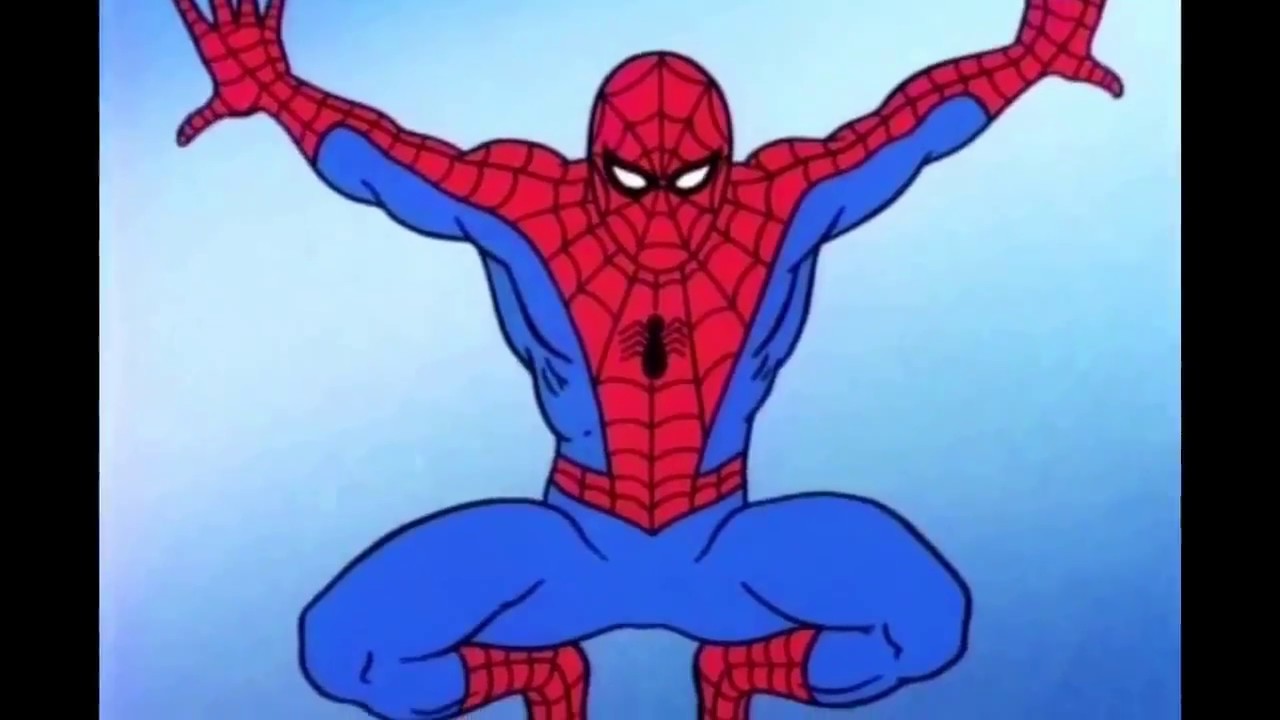
The 1981 Spider-Man Animated Series: A Forgotten Gem
Introduction
The 1981 “Spider-Man” animated series often gets overlooked in discussions of Spider-Man’s animated history, sandwiched between the iconic 1967 series and the critically acclaimed 1994 series. Produced by Filmation, this series represented a significant step forward in Spider-Man animation, introducing more sophisticated storytelling and improved animation techniques while retaining the charm of its predecessor. Despite its relative obscurity, the 1981 series deserves recognition as an important transitional work in the evolution of Spider-Man on television.
Production Background
Filmation’s Take on Spider-Man
- Production Company - Filmation, a studio known for producing animated series like “He-Man and the Masters of the Universe” and “The Archie Show”
- Budget and Resources - The series had a slightly higher budget than the 1967 series, allowing for improved animation
- Marvel’s Involvement - Marvel Comics had a more active role in this series, ensuring greater faithfulness to the source material
- Air Dates - The series aired from September 12, 1981, to September 10, 1982, for a total of 26 episodes
Animation Improvements
- Enhanced Animation - The series featured more fluid animation than the 1967 series, with fewer repeated cycles
- Improved Character Design - Character designs were updated to reflect the more modern look of Spider-Man comics in the late 1970s and early 1980s
- Background Detail - Backgrounds were more detailed and varied, creating a more immersive world
- Visual Effects - Improved visual effects for Spider-Man’s powers, particularly web-slinging and wall-crawling
Storytelling Approach
Episode Structure
- Standalone Episodes - Like the 1967 series, most episodes were self-contained
- Runtime - Each episode ran for approximately 22 minutes
- Formula Evolution - While maintaining a basic formula, the series introduced more complex plots and character development
- Educational Elements - Some episodes included subtle educational messages, a hallmark of Filmation’s programming
Notable Episodes
- “The Power of Dr. Octopus” (Episode 1) - Introduces Doctor Octopus as the series’ primary villain
- “Carnival of Crime” (Episode 5) - Features the Green Goblin and a carnival setting
- “The Pied Piper of New York Town” (Episode 10) - Introduces the Shocker
- “Arsenic and Aunt May” (Episode 15) - Focuses on Aunt May and her relationship with Peter
- “The Incredible Shrinking Spider-Man” (Episode 20) - Features the Puppet Master
- “Spidey Meets the Girl of Tomorrow” (Episode 26) - The series finale, featuring a time-travel storyline
Adaptations from Comics
- More Faithful Adaptations - The series adapted more comic book storylines with greater fidelity than the 1967 series
- Modern Storylines - The series drew from more recent comic book storylines, including those from the 1970s
- Character Consistency - Characters were more consistent with their comic book counterparts
Character Portrayal
Peter Parker/Spider-Man
- Characterization - Peter Parker is portrayed as a college student and freelance photographer, similar to the 1967 series but with more depth
- Personality - Spider-Man’s sense of humor is more prominent, with more frequent quips during battles
- Voice Acting - Ted Schwartz provided the voice for both Peter Parker and Spider-Man
- Dual Identity Struggles - The series more deeply explores Peter’s struggle to balance his personal life with his superhero responsibilities
Supporting Characters
- J. Jonah Jameson - More nuanced than in the 1967 series, with occasional moments of sympathy for Spider-Man
- Aunt May - More independent and less frail than her 1967 counterpart
- Betty Brant - Given more personality and agency
- Robbie Robertson - Introduced as a more prominent character than in previous adaptations
- Mary Jane Watson - Makes occasional appearances throughout the series
Villains
- Doctor Octopus - The series’ primary villain, with a more menacing portrayal
- Green Goblin - Appears in multiple episodes with a more comic-accurate design
- Kingpin - Introduced as a major crime boss
- Lizard - Featured in a two-part episode
- Sandman - Appears in multiple episodes
- Electro - Makes several appearances
- Vulture - Appears with a more menacing design
- New Villains - Introduces villains like the Shocker and Puppet Master
Cultural Context
The 1980s Landscape
- Saturday Morning Cartoons - The series aired during the golden age of Saturday morning cartoons
- Comic Book Renaissance - The early 1980s saw a renaissance in comic book storytelling, which influenced the series
- Superhero Popularity - Superheroes were experiencing a resurgence in popularity, with films like “Superman” (1978) paving the way
Audience Reception
- Critical Reception - The series received generally positive reviews, with critics praising its improved animation and storytelling
- Fan Reaction - The series developed a loyal fan base, though it never achieved the cultural impact of the 1967 or 1994 series
- Legacy - The series is now remembered fondly by those who grew up watching it, though it remains relatively obscure compared to other Spider-Man adaptations
Impact and Legacy
Influence on Future Adaptations
- Bridging the Gap - The series bridged the gap between the limited animation of the 1960s and the more sophisticated storytelling of the 1990s
- Character Development - The series introduced more nuanced character development that would be expanded upon in future adaptations
- Villain Portrayal - The series set a precedent for more menacing and complex villains
Technological Advances
- Animation Techniques - The series experimented with new animation techniques that would be refined in later series
- Visual Storytelling - Improved visual storytelling techniques that enhanced the narrative
Historical Significance
- Transitional Work - The series represents a transitional period in Spider-Man animation
- Filmation’s Contribution - Demonstrates Filmation’s approach to adapting comic book characters
- Document of Its Era - Reflects the animation styles and storytelling trends of the early 1980s
Comparison to Other Spider-Man Series
vs. 1967 Series
- Animation Quality - Significantly improved animation compared to the 1967 series
- Storytelling - More complex and nuanced storytelling
- Characterization - More developed characters with greater depth
- Visual Style - More modern visual style reflecting the 1980s aesthetic
vs. 1994 Series
- Animation Techniques - Still limited compared to the 1994 series
- Storytelling - Less serialized and complex than the 1994 series
- Character Development - Less sophisticated character development
- Production Values - Lower production values overall
Modern Perspective
Critical Reassessment
- Underrated Gem - Modern critics often view the series as an underrated gem in Spider-Man’s animated history
- Historical Context - Appreciated for its place in the evolution of Spider-Man animation
- Nostalgic Appeal - Enjoyed by fans who grew up watching it in the early 1980s
Availability and Rediscovery
- DVD Releases - The series has been released on DVD, allowing new audiences to discover it
- Streaming - Available on some streaming platforms, increasing its accessibility
- Fan Communities - Small but dedicated fan communities that celebrate the series
Enduring Qualities
- Charm - Retains the charm of classic Saturday morning cartoons
- Faithfulness - Relatively faithful to the comic book source material
- Improvement - Represents a significant improvement over previous Spider-Man animations
- Nostalgia - Evokes nostalgia for the early 1980s
Conclusion
The 1981 “Spider-Man” animated series may not be as iconic as the 1967 series or as critically acclaimed as the 1994 series, but it remains an important and often overlooked chapter in Spider-Man’s animated history. As a transitional work, it built upon the foundation laid by the 1967 series while paving the way for the more sophisticated storytelling of the 1994 series.
With its improved animation, more complex storytelling, and faithful adaptation of the source material, the 1981 series deserves recognition as a forgotten gem that contributed to the evolution of Spider-Man on television. For those who grew up watching it, it remains a beloved part of their childhood, and for new audiences, it offers a fascinating glimpse into a transitional period in animation history.
As we continue to enjoy new Spider-Man animated adaptations, it’s important to remember the works that came before, including the 1981 series, which helped shape the character we know and love today.