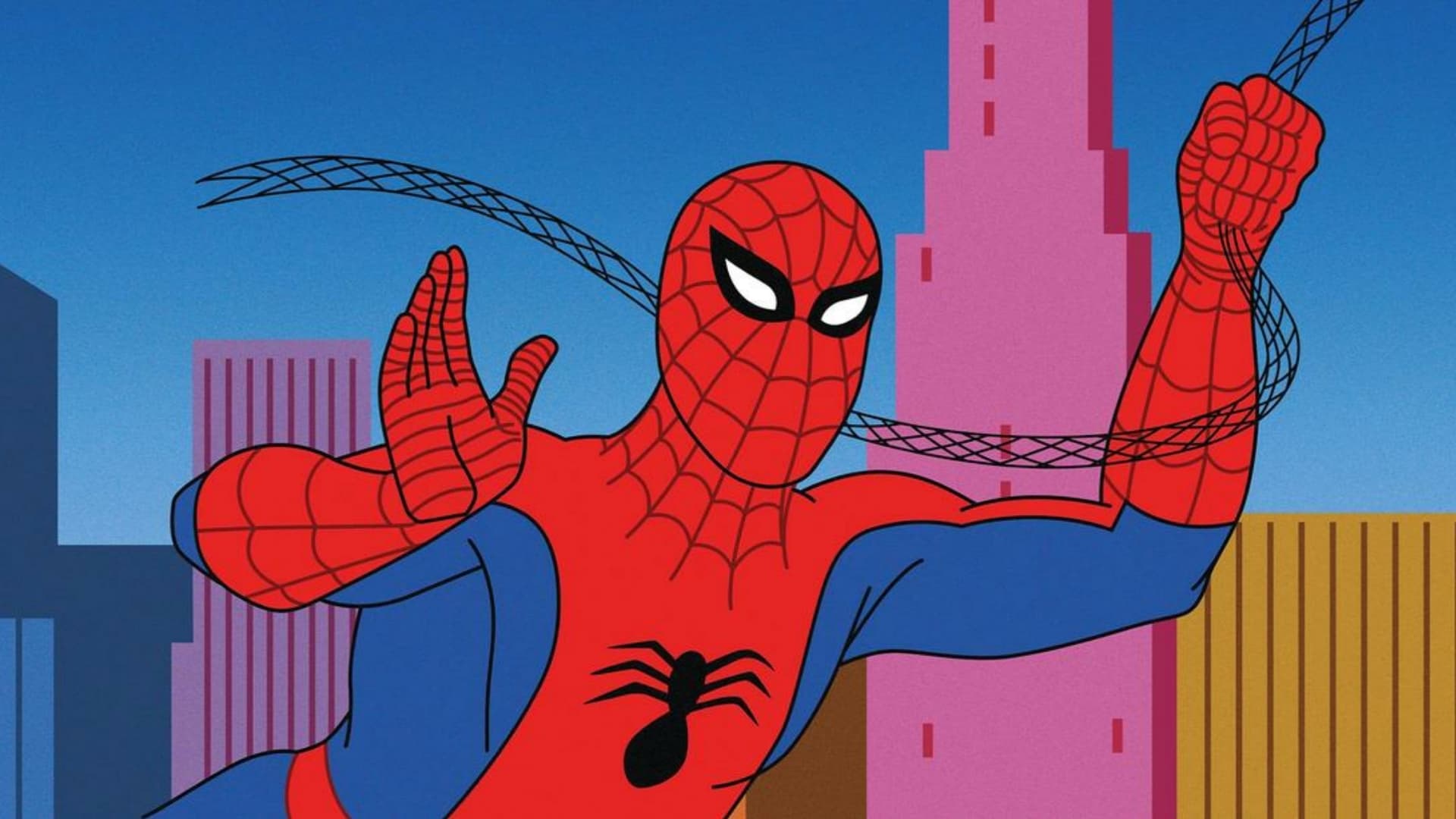
The 1967 Spider-Man Animated Series: A Nostalgic Analysis
Introduction
The 1967 “Spider-Man” animated series holds a special place in the hearts of many comic book fans. Produced by Grantray-Lawrence Animation, this series marked Spider-Man’s first appearance on television and introduced the character to a generation of viewers. While modern audiences may find its animation primitive by today’s standards, the 1967 series remains a groundbreaking work that laid the foundation for all future Spider-Man animated adaptations.
Production Background
The Birth of Spider-Man on TV
- Production Company - Grantray-Lawrence Animation, a studio known for producing animated adaptations of Marvel Comics characters
- Budget Constraints - The series was produced on a shoestring budget, which is evident in its limited animation techniques
- Marvel’s Involvement - Stan Lee, co-creator of Spider-Man, served as a consultant on the series
- Air Dates - The series aired from September 9, 1967, to June 14, 1970, for a total of 52 episodes
Animation Techniques
- Limited Animation - The series utilized limited animation techniques common in the 1960s, with repeated cycles and static backgrounds
- Stock Footage - Extensive use of stock footage, particularly for web-swinging sequences
- Character Design - Simplified character designs based on John Romita Sr.’s comic book art
- Visual Style - Bold, vibrant colors and stylized backgrounds that reflected the comic book aesthetic of the era
The Iconic Theme Song
One of the most enduring elements of the 1967 series is its iconic theme song, composed by Paul Francis Webster with music by Bob Harris.
Lyrics and Composition
Spider-Man, Spider-Man,
Does whatever a spider can.
Spins a web, any size,
Catches thieves just like flies.
Look out!
Here comes the Spider-Man.

Is he strong?
Listen bud,
He's got radioactive blood.
Can he swing from a thread?
Take a look overhead.
Hey, there!
There goes the Spider-Man.

In the chill of night,
At the scene of a crime,
Like a streak of light
He arrives just in time!

Spider-Man, Spider-Man,
Friendly neighborhood Spider-Man!
Wealth and fame,
He's ignored,
Action is his reward.
To him, life is a great big bang up,
Wherever there's a hang up,
You'll find the Spider-Man!
Cultural Impact
- Memorability - The theme song’s catchy melody and simple lyrics have made it one of the most recognizable TV themes of all time
- Cover Versions - The song has been covered by numerous artists, including The Ramones and Aerosmith
- Pop Culture References - The theme song has been referenced in countless movies, TV shows, and other media
- Legacy - The song’s structure and tone established a template for future superhero theme songs
Storytelling and Episodes
Episode Structure
- Standalone Episodes - Most episodes were self-contained, with little continuity between them
- Runtime - Each episode ran for approximately 22 minutes
- Formula - Many episodes followed a similar formula: Peter Parker discovers a crime, transforms into Spider-Man, battles the villain, and returns to his normal life
Notable Episodes
- “The Power of Doctor Octopus” (Episode 1) - Introduces Doctor Octopus as the series’ first villain
- “Sub-Zero for Spidey” (Episode 8) - Features the first appearance of the Scorpion
- “The Terrible Triumph of Doctor Octopus” (Episode 13) - A sequel to the first episode
- “Never Step on a Scorpion” (Episode 20) - Explores the origin of the Scorpion
- “The Sinister Prime Minister” (Episode 31) - Features a team-up between Doctor Octopus and the Vulture
Adaptations from Comics
- Loose Adaptations - The series loosely adapted stories from the Spider-Man comic books
- Simplification - Complex comic book storylines were simplified for television
- Original Content - Many episodes featured original storylines not found in the comics
Character Portrayal
Peter Parker/Spider-Man
- Characterization - Peter Parker is portrayed as a college student working as a freelance photographer for the Daily Bugle
- Personality - Spider-Man’s quick wit and sense of humor are present, though toned down for younger audiences
- Voice Acting - Paul Soles provided the voice for both Peter Parker and Spider-Man
- Dual Identity - The struggle to balance his personal life with his superhero responsibilities is a recurring theme
Supporting Characters
- J. Jonah Jameson - Portrayed as the gruff editor of the Daily Bugle who constantly smears Spider-Man in the newspaper
- Aunt May - Peter’s elderly aunt who worries about his safety
- Betty Brant - A secretary at the Daily Bugle who occasionally serves as Peter’s love interest
- Police Captain Stacy - A supportive police officer who recognizes Spider-Man’s value
Villains
- Doctor Octopus - The series’ primary villain, appearing in multiple episodes
- Green Goblin - Makes several appearances throughout the series
- Lizard - Featured in a two-part episode
- Electro - Appears as a recurring villain
- Sandman - Makes several appearances
- Vulture - Appears in multiple episodes
Cultural Context
The 1960s Landscape
- Counterculture Movement - The series aired during the height of the counterculture movement, though it remained largely apolitical
- Television Animation - The 1960s saw a boom in Saturday morning cartoons, with Spider-Man becoming a staple
- Comic Book Popularity - Spider-Man’s comic book was at the height of its popularity, making a television adaptation timely
Audience Reception
- Critical Reception - The series received mixed reviews upon its initial release, with critics praising its faithfulness to the source material but criticizing its limited animation
- Fan Reaction - Despite its flaws, the series developed a loyal fan base that appreciated its earnest portrayal of Spider-Man
- Legacy - The series is now regarded as a nostalgic classic by fans who grew up watching it
Impact and Legacy
Influence on Future Adaptations
- Template for Success - The series established the template for future Spider-Man animated adaptations
- Characterization - The basic characterization of Spider-Man and his supporting cast established in the 1967 series carried over to future adaptations
- Theme Song - The iconic theme song has been referenced or adapted in numerous subsequent Spider-Man productions
Nostalgic Appeal
- Cult Following - The series has developed a cult following among fans who grew up watching it
- DVD Releases - The series has been released on DVD multiple times, attesting to its enduring popularity
- Streaming Availability - The series is available on various streaming platforms, introducing it to a new generation of viewers
Historical Significance
- First Spider-Man on TV - The 1967 series was the first time Spider-Man appeared on television
- Marvel’s First Successful Animated Series - The series was one of Marvel’s first successful forays into television animation
- Documentation of 1960s Animation - The series serves as a historical document of 1960s television animation techniques
Analysis of Animation Style
Limited Animation Techniques
- Cycled Animation - The series extensively used cycled animation for movements like walking, running, and web-swinging
- Static Backgrounds - Backgrounds were often static, with characters moving in front of them
- Repurposed Footage - Footage from previous episodes was frequently repurposed to save time and money
- Simplified Movements - Characters often moved in jerky, unnatural ways due to the limited number of frames
Visual Aesthetic
- Color Palette - The series used bold, vibrant colors that popped on the screen
- Character Design - Characters were designed with simple, clean lines that were easy to animate
- Backgrounds - Backgrounds were stylized and often featured geometric patterns
- Special Effects - Special effects like web-slinging and superpowers were simplified but effective
Modern Perspective
Critical Reassessment
- Historical Context - Modern critics tend to view the series in its historical context, acknowledging its limitations while appreciating its achievements
- Nostalgia Factor - The series’ nostalgic appeal is often cited as one of its strongest points
- Cultural Artifact - The series is now regarded as a cultural artifact that reflects the era in which it was produced
Comparison to Modern Adaptations
- Animation Quality - Modern Spider-Man animated series feature far more sophisticated animation techniques
- Storytelling Complexity - Modern series often feature more complex, serialized storytelling
- Character Development - Modern adaptations typically offer more nuanced character development
- Faithfulness to Comics - Modern series often adapt comic book storylines more faithfully
Enduring Charm
- Simplicity - The series’ simplicity is part of its enduring charm
- Earnestness - The series approaches its subject matter with earnestness, which is appealing to many viewers
- Nostalgic Value - For those who grew up watching it, the series evokes fond memories of childhood
Conclusion
The 1967 “Spider-Man” animated series may not be the most technically impressive Spider-Man adaptation, but it holds a special place in the history of the character. Its iconic theme song, earnest storytelling, and pioneering spirit have ensured its place in the hearts of fans for generations.
As we look back on the 1967 series, we can appreciate it not just for what it was, but for what it started. It laid the foundation for all future Spider-Man animated adaptations, introducing the character to a wider audience and establishing the template for his portrayal on television.
In an age of sophisticated computer animation and complex storytelling, the 1967 series remains a charming reminder of a simpler time in animation history. Its legacy continues to be felt in every subsequent Spider-Man animated production, ensuring that its place in the Spider-Man mythos is secure for years to come.