Spider-Man: Into the Spider-Verse - Breaking Animation Boundaries
Introduction
When “Spider-Man: Into the Spider-Verse” was released in 2018, it immediately captured the attention of audiences and critics alike. Directed by Bob Persichetti, Peter Ramsey, and Rodney Rothman, the film not only delivered a compelling story but also revolutionized the animation industry with its innovative visual style. This analysis explores how “Into the Spider-Verse” redefined what animated films could be, expanded the Spider-Man mythology, and became a cultural phenomenon.
The Visual Revolution
One of the most striking aspects of “Into the Spider-Verse” is its groundbreaking animation style, which was designed to mimic the look and feel of a comic book come to life.
Comic Book Aesthetics
- Visual Effects - The film incorporates comic book elements like thought bubbles, sound effects written in onomatopoeic text, and panel transitions.
- Animation Techniques - The animators used a technique called “stylized frame rate,” which intentionally animates characters at different frame rates to create a more dynamic, comic book-like feel.
- Color Palette - The film uses a vibrant, bold color palette that changes to reflect the mood of each scene, with particular emphasis on the iconic red and blue of Spider-Man’s costume.
- Visual Distortions - The film employs visual distortions like motion blur and lens flares to enhance the sense of movement and energy during action sequences.
Technical Innovations
- Multi-plane Camera - The animators used a multi-plane camera technique to create depth and dimension, giving the film a more immersive quality.
- Custom Software - The production team developed custom software to achieve the film’s unique visual style, including tools for creating the hand-drawn look of the characters and environments.
- Lighting Effects - The film uses sophisticated lighting effects to create mood and atmosphere, with particular attention to the way light interacts with Spider-Man’s costume.
Expanding the Spider-Man Mythology
“Into the Spider-Verse” significantly expanded the Spider-Man mythology by introducing the concept of the Spider-Verse, a multiverse of parallel realities where different versions of Spider-Man exist.
The Multiverse Concept
- Parallel Realities - The film explores the idea that there are countless parallel universes, each with its own version of Spider-Man (or Spider-Woman, Spider-Girl, etc.).
- Canon Events - The film introduces the concept of “canon events” - key moments that shape every Spider-Man’s origin story, such as the death of a loved one that teaches them about responsibility.
- Interdimensional Travel - The film establishes the technology and rules for interdimensional travel, which would be explored further in sequels.
The Spider-Verse Characters
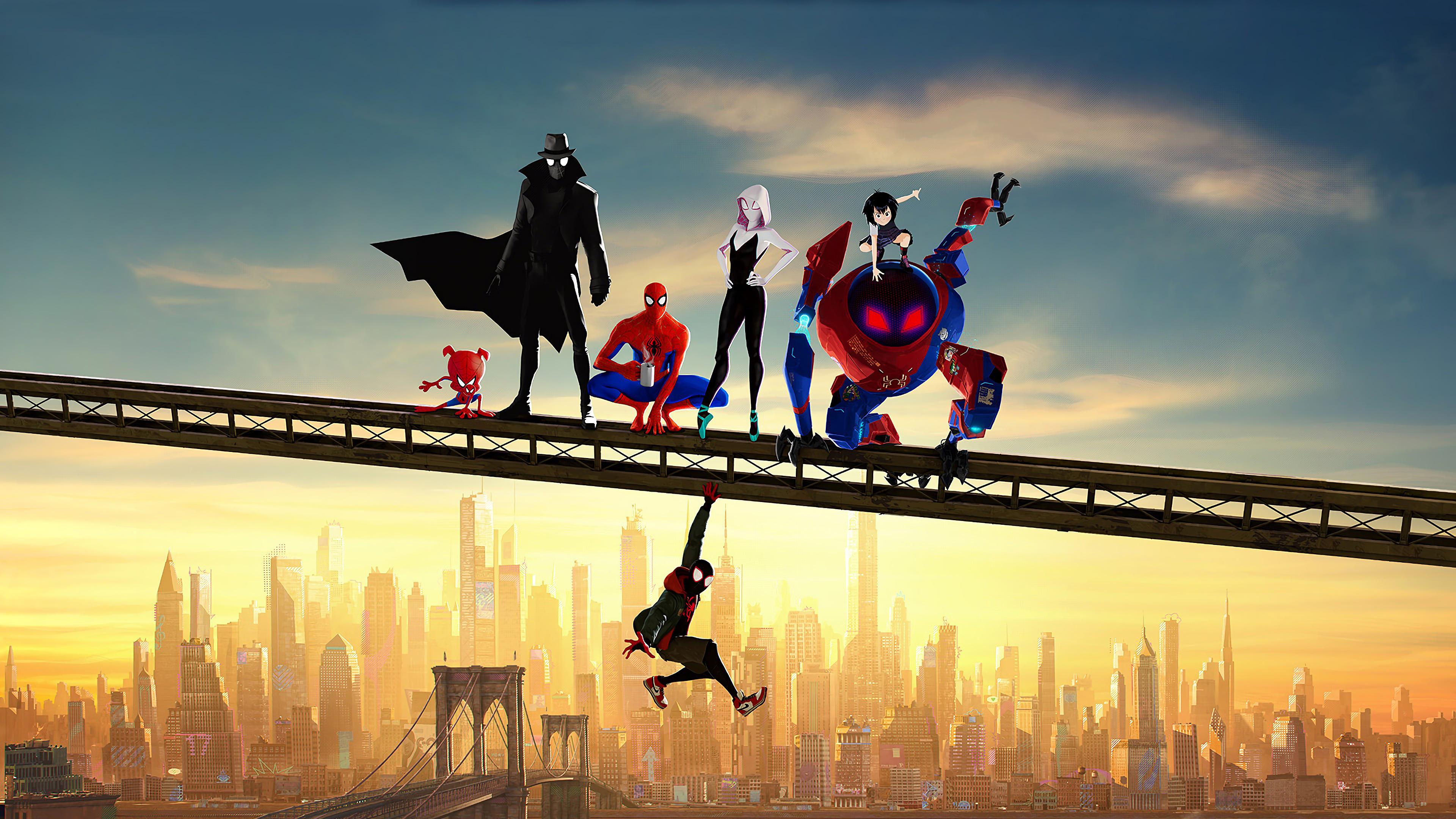
One of the film’s greatest strengths is its diverse cast of Spider-people, each with their own unique personalities and backstories:
- Miles Morales - The film’s protagonist, a teenager from Brooklyn who becomes Spider-Man after being bitten by a radioactive spider from another dimension.
- Peter B. Parker - A middle-aged, out-of-shape version of Spider-Man from another dimension, who becomes Miles’ mentor.
- Gwen Stacy/Spider-Woman - A version of Gwen Stacy who was bitten by the radioactive spider instead of Peter Parker.
- Spider-Man Noir - A 1930s-era, black-and-white version of Spider-Man with a hard-boiled detective persona.
- Peni Parker - A young Japanese-American girl who pilots a robotic Spider-Suit called SP//dr.
- Spider-Ham (Peter Porker) - A cartoon pig with spider powers from a Looney Tunes-style universe.
Miles Morales’ Origin Story
The film reimagines the Spider-Man origin story through the lens of Miles Morales, a character who was first introduced in the comics in 2011:
- Cultural Identity - Miles’ African-American and Puerto Rican heritage is an integral part of his character, influencing his perspective and experiences.
- Personal Journey - The film follows Miles’ journey from a reluctant hero to a confident Spider-Man, learning to embrace his unique abilities and responsibilities.
- Relationships - Miles’ relationships with his parents, his uncle Aaron (the Prowler), and his mentor Peter B. Parker are central to his character development.
Themes and Messages
“Into the Spider-Verse” explores several powerful themes that resonate with audiences of all ages:
1. Anyone Can Be Spider-Man
Perhaps the film’s most important message is that Spider-Man isn’t just one person - anyone can be Spider-Man if they have the courage to step up and take responsibility.
- Diversity - The film celebrates diversity through its cast of Spider-people, who come from different backgrounds, genders, and even species.
- Inclusivity - The film suggests that heroism is not limited to a specific type of person, but is accessible to anyone with the right mindset and determination.
- Empowerment - The film empowers viewers, especially young people, by showing that they too can make a difference in the world.
2. The Importance of Mentorship
The relationship between Miles Morales and Peter B. Parker highlights the importance of mentorship in personal growth and development.
- Learning from Mistakes - Peter B. Parker, who has made his share of mistakes, teaches Miles not only how to be a better Spider-Man but also how to be a better person.
- Passing the Torch - The film explores the idea of legacy and the importance of passing knowledge and experience from one generation to the next.
- Mutual Growth - While Peter teaches Miles, he also learns from him, rediscovering his own passion for being Spider-Man.
3. Embracing Your Unique Identity
Miles’ journey is ultimately about embracing his unique identity and using his differences as strengths.
- Self-Acceptance - Miles struggles with self-doubt and insecurity, but ultimately learns to accept and embrace who he is.
- Individuality - The film celebrates individuality, showing that what makes each Spider-person unique is also what makes them effective heroes.
- Authenticity - Miles learns that he doesn’t have to be exactly like the other Spider-people; he can be his own version of Spider-Man.
Cultural Impact
“Into the Spider-Verse” had a significant impact on popular culture and the animation industry:
Critical Acclaim
- Awards - The film won the Academy Award for Best Animated Feature, as well as numerous other awards and nominations.
- Critical Reception - The film received widespread critical acclaim, with particular praise for its animation, storytelling, and voice acting.
- Box Office Success - The film was a box office success, grossing over $375 million worldwide against a budget of $90 million.
Influence on Animation
- Industry Recognition - The film’s success demonstrated that audiences were hungry for innovative, visually distinctive animated films.
- Stylistic Influence - The film’s visual style has influenced subsequent animated films, with many studios experimenting with more stylized, comic book-like aesthetics.
- Creative Freedom - The film’s success gave animators and filmmakers more freedom to experiment with different animation styles and techniques.
Expanding the Spider-Man Franchise
- Miles Morales’ Popularity - The film introduced Miles Morales to a wider audience, significantly increasing his popularity and leading to more appearances in other media.
- Multiverse Storytelling - The film popularized the concept of the multiverse in Spider-Man stories, which would be explored further in sequels and in live-action Spider-Man films.
- Increased Diversity - The film’s success paved the way for more diverse representation in superhero media, with a greater emphasis on characters from different backgrounds.
The Sequels and Beyond
The success of “Into the Spider-Verse” led to the development of sequels and spin-offs that further explore the Spider-Verse concept:
Spider-Man: Across the Spider-Verse (2023)
- Expanded Scope - The sequel expands the scope of the Spider-Verse, introducing even more parallel universes and Spider-people.
- Character Development - The sequel delves deeper into the characters’ backstories and relationships, particularly Miles’ relationship with Gwen Stacy.
- Visual Innovation - The sequel continues to push the boundaries of animation, with each universe having its own distinct visual style.
Spider-Man: Beyond the Spider-Verse (Upcoming)
- Conclusion - The third film in the trilogy is expected to conclude the story arc began in the first two films.
- New Characters - The film is rumored to introduce even more Spider-people from across the multiverse.
- Emotional Resolution - The film is expected to provide emotional resolution for Miles Morales and the other characters.
Voice Acting and Characterization
The voice acting in “Into the Spider-Verse” is a key component of its success, with each actor bringing their character to life with distinct personality and nuance.
Miles Morales (Shameik Moore)
Shameik Moore’s performance as Miles Morales is particularly noteworthy, capturing the character’s youthfulness, insecurity, and eventual confidence.
Peter B. Parker (Jake Johnson)
Jake Johnson brings a world-weary charm to Peter B. Parker, making him both relatable and endearing despite his flaws.
Gwen Stacy/Spider-Woman (Hailee Steinfeld)
Hailee Steinfeld gives Gwen Stacy a cool, confident demeanor that masks her vulnerability and guilt over the death of her universe’s Peter Parker.
Other Voice Actors
The film features an impressive ensemble cast, including Nicolas Cage as Spider-Man Noir, John Mulaney as Spider-Ham, and Kimiko Glenn as Peni Parker, each bringing their unique comedic timing and dramatic range to their roles.
Conclusion
“Spider-Man: Into the Spider-Verse” is more than just an animated film - it’s a visual masterpiece, a compelling story, and a cultural phenomenon. By breaking the boundaries of traditional animation, expanding the Spider-Man mythology, and delivering a powerful message about the importance of diversity and self-acceptance, the film has left an indelible mark on popular culture.
The film’s success demonstrates that animated films can be just as visually stunning, emotionally resonant, and thematically complex as live-action films. It also shows that the Spider-Man mythology is far from exhausted, with countless stories yet to be told about the various versions of Spider-Man across the multiverse.
As we look forward to future installments in the Spider-Verse franchise, it’s clear that “Into the Spider-Verse” has set a new standard for animated films and superhero stories, one that will continue to inspire filmmakers and audiences for years to come.