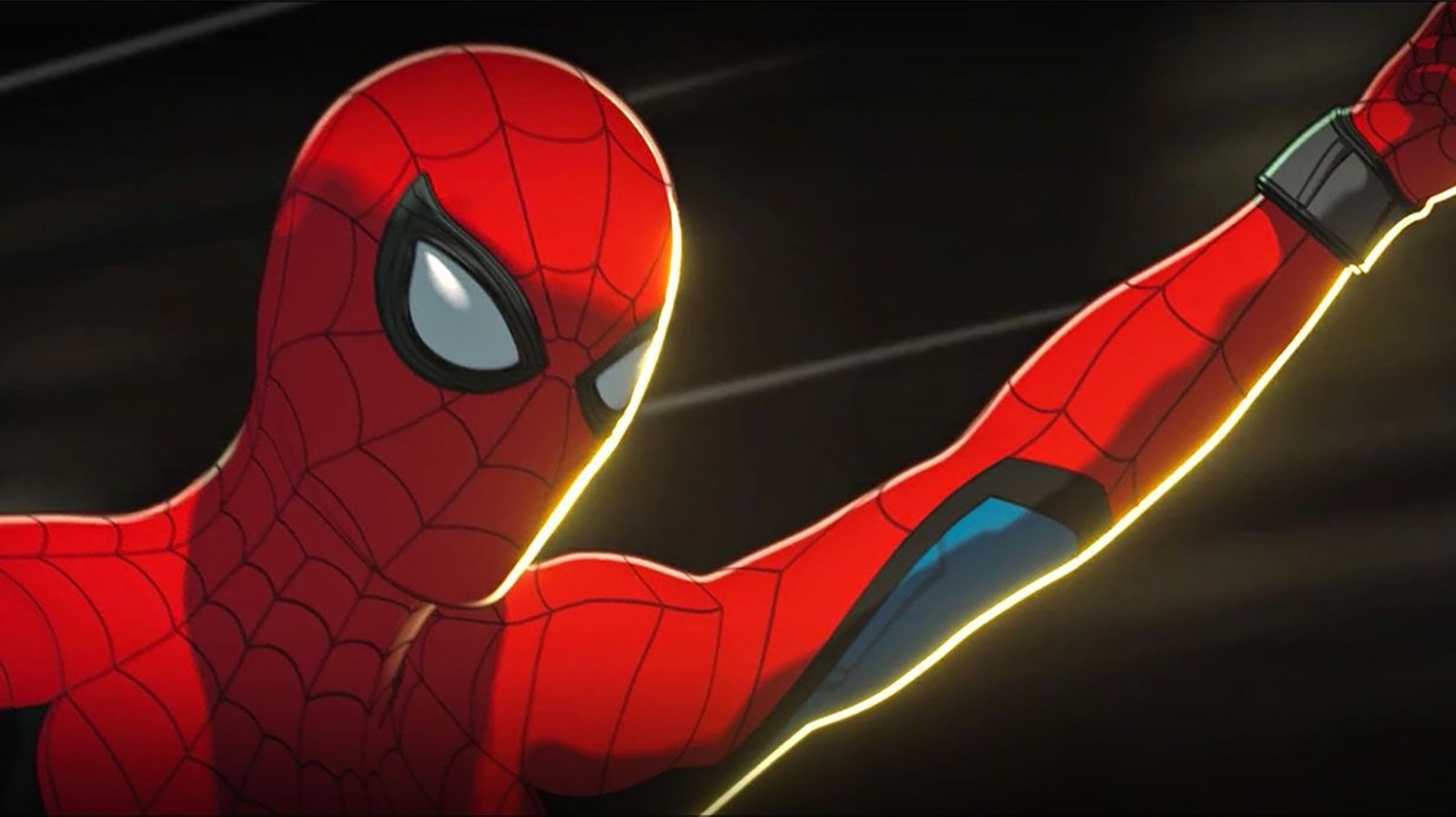
Spider-Man: Freshman Year - A New Animated Origin Story
Introduction
“Spider-Man: Freshman Year” is a groundbreaking animated series that premiered on Disney+ in 2024. Produced by Marvel Studios Animation, this series offers a fresh take on Spider-Man’s origin story, reimagining his early days as a superhero within the context of the Marvel Cinematic Universe (MCU). With its unique animation style, engaging storytelling, and connections to the wider MCU, “Spider-Man: Freshman Year” represents a new chapter in Spider-Man’s animated history.
Production Background
Development
- Concept - The series was developed as part of Marvel Studios’ expansion into animation, offering an alternate take on Spider-Man’s origin within the MCU
- Creative Team - Jeff Trammell (known for “Craig of the Creek” and “Rise of the Teenage Mutant Ninja Turtles”) serves as head writer and executive producer
- Animation Studio - Animated by various studios including Flying Bark Productions
- Air Dates - The series premiered on Disney+ on November 22, 2024, with a second season already announced
Animation Style
- Retro-Inspired - The series features a unique animation style inspired by 1960s Spider-Man comics and animation
- Modern Flair - While drawing inspiration from the past, the series incorporates modern animation techniques and sensibilities
- Character Designs - Stylized character designs that blend classic comic book aesthetics with modern sensibilities
- Visual Effects - Dynamic visual effects that bring Spider-Man’s powers to life in a fresh way
Storytelling Approach
Series Premise
- Alternate Origin - The series presents an alternate origin story for Spider-Man within the MCU, diverging from the events of “Captain America: Civil War”
- Freshman Year Focus - As the title suggests, the series focuses on Peter Parker’s freshman year of high school and his early days as Spider-Man
- MCU Connections - Features appearances by various MCU characters, including Doctor Strange, Norman Osborn, and Daredevil
- Serialized Storytelling - The series features serialized storytelling with ongoing character arcs and plot developments
Notable Story Arcs
- Origin Arc - Explores Peter’s transformation into Spider-Man after being bitten by a radioactive spider
- Mentorship Arc - Peter receives mentorship from various MCU characters, including Doctor Strange
- Villain Introduction Arc - Introduces classic Spider-Man villains in a fresh context, including Vulture, Rhino, and Doctor Octopus
- Friendship Arc - Explores Peter’s relationships with his friends, including Harry Osborn and Gwen Stacy
- Identity Arc - Peter struggles to balance his personal life with his newfound responsibilities as Spider-Man
MCU Integration
- Character Crossovers - Features appearances by various MCU characters, both heroes and villains
- Shared Universe - Exists within the broader MCU, with references to events and locations from the films
- Timeline Placement - Set before the events of “Captain America: Civil War,” offering a glimpse into Peter’s life before he met Tony Stark
- Multiverse Connection - Potentially connects to the MCU’s multiverse storyline
The Cast of Characters
Peter Parker/Spider-Man
- Characterization - Peter Parker is portrayed as a bright, enthusiastic freshman with a passion for science
- Personality - Retains his classic quick wit and sense of humor, but also shows his inexperience and naivety
- Voice Acting - Hudson Thames provides the voice for both Peter Parker and Spider-Man
- Growth - The series focuses on Peter’s growth from an ordinary teenager to a responsible superhero
Supporting Characters
- Gwen Stacy - Peter’s classmate and friend, portrayed as intelligent and independent
- Harry Osborn - Peter’s wealthy classmate who becomes his friend
- Norman Osborn - Harry’s father, a prominent businessman with mysterious intentions
- Aunt May - Peter’s supportive aunt who raises him after the death of his parents
- Uncle Ben - Peter’s uncle whose wisdom and eventual death shape his understanding of responsibility
- MCU Mentors - Various MCU characters who mentor Peter, including Doctor Strange and Daredevil
Villains
- Vulture - The series’ primary villain, a disgruntled inventor who turns to crime
- Doctor Octopus - A brilliant scientist with mechanical arms
- Rhino - A brute with superhuman strength
- Electro - A former Oscorp employee with electrical powers
- Kingpin - A powerful crime lord who operates in the background
Themes and Messages
Core Themes
- Responsibility - The classic Spider-Man theme of “with great power comes great responsibility” is central to the series
- Identity - Peter’s struggle with his dual identity and what it means to be both Peter Parker and Spider-Man
- Mentorship - The importance of guidance and mentorship in personal growth
- Friendship - The value of true friendship and loyalty
- Growth - The journey from adolescence to adulthood and the challenges that come with it
Subtle Messages
- Scientific Curiosity - Encourages curiosity and a passion for science
- Moral Compass - Emphasizes the importance of developing a strong moral compass
- Community - Highlights the importance of community and helping others
- Self-Acceptance - Promotes self-acceptance and embracing one’s unique qualities
Cultural Context
The 2020s Landscape
- Streaming Era - Released exclusively on Disney+ as part of Marvel Studios’ streaming strategy
- MCU Expansion - Part of Marvel Studios’ expansion into animation and alternate MCU storytelling
- Nostalgia Revival - Draws inspiration from classic Spider-Man comics and animation while offering a modern take
- Diverse Representation - Features a more diverse cast than previous Spider-Man origin stories
Audience Reception
- Critical Reception - Received positive reviews, with praise for its animation style, storytelling, and MCU connections
- Fan Reaction - Developed a strong fan base that appreciates its fresh take on Spider-Man’s origin
- Viewership - Became one of Disney+’s most-watched animated series
Impact and Legacy
MCU Integration
- Animation in the MCU - Demonstrated that animated content can be an integral part of the MCU
- Expanded Storytelling - Allowed for storytelling possibilities not feasible in live-action MCU projects
- Character Development - Provided additional context and development for characters within the MCU
Animation Innovation
- Visual Style - Its unique animation style inspired other animated projects within the MCU
- Creative Freedom - Showed that animated adaptations can take creative risks while remaining faithful to the source material
- Audience Appeal - Proved that animated superhero content can appeal to both children and adults
Spider-Man Mythology
- Fresh Perspective - Offered a fresh perspective on Spider-Man’s origin story
- Character Depth - Added new layers to Peter Parker’s character and his journey to becoming Spider-Man
- Villain Reinvention - Reinvented classic Spider-Man villains for a new generation
Comparison to Other Spider-Man Series
vs. The Spectacular Spider-Man
- Animation - Uses a more stylized, retro-inspired animation style compared to The Spectacular Spider-Man’s more realistic approach
- MCU Connections - Explicitly connected to the MCU, while The Spectacular Spider-Man existed in its own continuity
- Scope - Features a broader scope with appearances by various MCU characters
- Tone - Balances lighthearted moments with more serious storytelling
vs. 1994 Spider-Man Series
- Animation - More sophisticated animation than the 1994 series, with modern techniques and sensibilities
- Continuity - Connected to the broader MCU, while the 1994 series existed in its own continuity
- Storytelling - More serialized and character-driven than the 1994 series
- Production Values - Higher production values thanks to Marvel Studios’ involvement
Modern Perspective
Critical Analysis
- Creative Success - Hailed as a creative success that balances nostalgia with innovation
- MCU Addition - Viewed as a valuable addition to the MCU that expands the universe in meaningful ways
- Animation Achievement - Recognized for its unique animation style and visual storytelling
What Makes It Special
- MCU Integration - Its connection to the MCU sets it apart from other Spider-Man animated series
- Fresh Origin - Offers a fresh take on Spider-Man’s origin story while remaining faithful to the character’s core
- Retro-Modern Aesthetic - Its unique blend of retro and modern aesthetics creates a distinctive visual identity
- Character Development - Provides deeper character development than previous Spider-Man origin adaptations
Future Potential
- Second Season - A second season, titled “Spider-Man: Sophomore Year,” is already in development
- Crossovers - Potential for crossovers with other MCU animated series and live-action projects
- Expanded Universe - Could lead to further exploration of the Spider-Man mythos within the MCU
Conclusion
“Spider-Man: Freshman Year” represents a bold new direction for Spider-Man animation, seamlessly integrating the character into the Marvel Cinematic Universe while offering a fresh take on his origin story. With its unique animation style, engaging storytelling, and meaningful MCU connections, the series has established itself as a standout addition to the Spider-Man animated canon.
The series’ success demonstrates that there are still new ways to tell Spider-Man’s origin story, even after decades of adaptations. By focusing on Peter Parker’s freshman year and his early days as Spider-Man, the series captures the excitement, uncertainty, and growth that define that pivotal period in the character’s life.
As Marvel Studios continues to expand its animated offerings, “Spider-Man: Freshman Year” serves as a blueprint for how to create animated content that feels both fresh and connected to the broader MCU. With a second season already on the way, the series is poised to continue exploring new aspects of Spider-Man’s journey and his place within the Marvel Cinematic Universe.