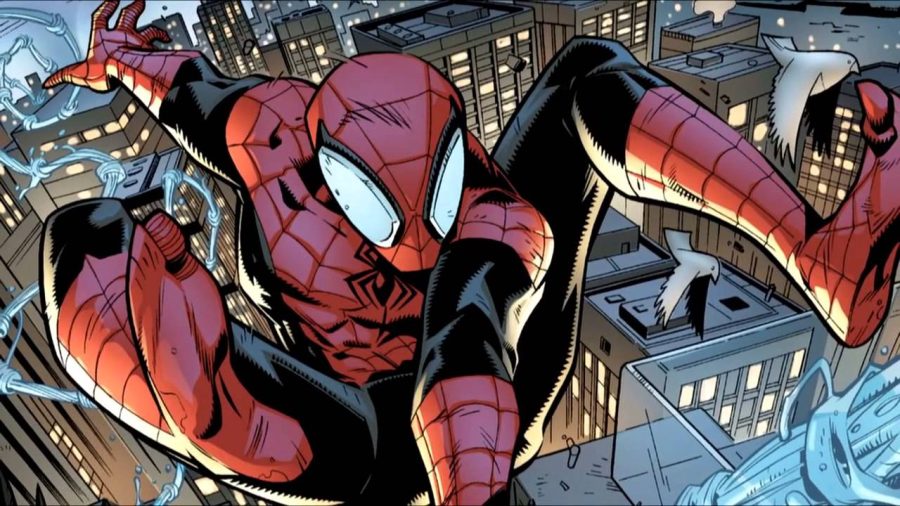
Peter Parker/Spider-Man: Character Analysis Across Animated Series
Introduction
Peter Parker, the man behind the Spider-Man mask, is one of the most relatable and complex characters in the superhero genre. His animated adaptations have explored different facets of his personality, from his early days as a high school student to his struggles as a young adult balancing multiple responsibilities. This analysis examines how Peter Parker/Spider-Man’s character has evolved across various animated series, highlighting the consistent themes and unique interpretations that have made him such an enduring figure.
The Essential Elements of Peter Parker
Across all animated adaptations, certain core elements of Peter Parker’s character remain consistent:
-
The Origin Story - Almost every series includes some version of the radioactive spider bite that gives Peter his powers, followed by the tragic death of Uncle Ben, which teaches him the lesson that “with great power comes great responsibility.”
-
The Double Life - Peter’s struggle to balance his personal life with his responsibilities as Spider-Man is a recurring theme, creating tension and drama in his relationships with friends and family.
-
The Everyman - Peter’s relatable problems (financial struggles, academic pressure, relationship issues) make him more accessible than many other superheroes.
-
The Wit - Spider-Man’s quick wit and penchant for quips during battles is a defining characteristic, setting him apart from more serious superheroes.
Evolution of the Character
1967-1981: The Early Adaptations
The earliest animated adaptations of Spider-Man, including the 1967 “Spider-Man” series and the 1981 “Spider-Man” series, presented a more simplistic version of the character. These series focused primarily on Spider-Man’s superhero adventures, with less emphasis on Peter Parker’s personal life.
- Characterization - Peter was portrayed as a straightforward hero, with his personal struggles taking a backseat to his crime-fighting exploits.
- Supporting Cast - Aunt May, J. Jonah Jameson, and occasionally Mary Jane Watson made appearances, but their roles were limited.
- Themes - The series emphasized action and adventure over character development or complex themes.
1994-1998: The Definitive Interpretation
The 1994 “Spider-Man: The Animated Series” is widely regarded as one of the most nuanced portrayals of Peter Parker/Spider-Man.
- Characterization - This series presented a more mature Peter Parker, now a college student, grappling with complex issues like identity, responsibility, and sacrifice.
- Supporting Cast - The series expanded the supporting cast, giving Mary Jane Watson, Harry Osborn, and other characters more depth and agency.
- Themes - The series explored darker themes, including grief, betrayal, and the consequences of one’s actions.
- Voice Acting - Christopher Daniel Barnes’ performance as Peter/Spider-Man added emotional depth to the character, capturing both his vulnerability and his strength.
2003-2009: Modern Interpretations
The early 2000s saw two distinct interpretations of Spider-Man:
“Spider-Man: The New Animated Series” (2003)
- Characterization - This series presented a college-aged Peter Parker dealing with the challenges of young adulthood, including relationships and career choices.
- Visual Style - The CGI animation gave the series a more modern look, though it divided fans.
- Tone - The series had a more serious tone, reflecting the influence of the Sam Raimi Spider-Man films.
“The Spectacular Spider-Man” (2008-2009)
- Characterization - This series returned to Peter’s high school years, focusing on his early development as both a person and a hero.
- Faithfulness - The series was praised for its faithfulness to the original comic book characterization, particularly in its portrayal of Peter’s teenage struggles.
- Writing - The series featured sharp writing that balanced humor, drama, and action effectively.
2012-Present: Contemporary Adaptations
Recent animated series have taken different approaches to the character:
“Ultimate Spider-Man” (2012-2017)
- Characterization - This series presented a more lighthearted and humorous version of Spider-Man, focusing on his growth as part of a team of young heroes.
- Supporting Cast - The series featured a rotating cast of Marvel characters, including Iron Man, Captain America, and other young heroes.
- Tone - The series had a more comedic tone, with emphasis on team dynamics and superhero training.
“Spider-Man” (2017-2020)
- Characterization - This series presented a younger Peter Parker, starting high school and just beginning his career as Spider-Man.
- Modernization - The series updated Peter’s world to include modern technology and social media, reflecting contemporary teenage life.
- Crossover Elements - The series incorporated elements from the Marvel Cinematic Universe, including appearances by characters like Iron Man and Nick Fury.
“Spider-Man: Freshman Year” (2024)
- Characterization - This series explores Peter’s early days as Spider-Man, focusing on his journey from ordinary high school student to superhero.
- Expanded Universe - The series introduces a wider range of Marvel characters and concepts, setting the stage for potential crossovers.
- Animation Style - The series features a unique animation style that pays homage to classic Spider-Man comics while maintaining a modern aesthetic.
Unique Interpretations
While the core elements of Peter Parker’s character remain consistent, each series has brought unique interpretations:
-
Age and Life Stage - Different series have focused on different periods of Peter’s life, from high school to college to young adulthood, allowing for exploration of different challenges and experiences.
-
Relationships - The portrayal of Peter’s relationships with Mary Jane Watson, Gwen Stacy, and other love interests has varied, with some series emphasizing romance more than others.
-
Support Network - The size and composition of Peter’s support network has differed, with some series giving more prominence to characters like Harry Osborn, while others focus on his relationships with other superheroes.
-
Tone - The tone of the series has ranged from lighthearted and comedic to dark and dramatic, reflecting changing audience preferences and creative directions.
The Supporting Cast’s Impact
The portrayal of Peter’s supporting cast has a significant impact on his characterization:
-
Aunt May - Her role has evolved from a frail older woman who needs Peter’s care to a more independent figure who occasionally suspects or even knows about his double life.
-
J. Jonah Jameson - His portrayal has ranged from a one-dimensional antagonist to a more complex character with his own motivations and occasional moments of respect for Spider-Man.
-
Love Interests - Mary Jane Watson, Gwen Stacy, and other love interests have been portrayed with varying degrees of depth, sometimes as fully realized characters with their own goals and struggles.
-
Friends and Rivals - Characters like Harry Osborn, Flash Thompson, and Eddie Brock have been used to explore different aspects of Peter’s personality and create dramatic tension.
Themes and Messages
Across all animated adaptations, Spider-Man’s stories convey several consistent themes:
-
Responsibility - The core lesson from Uncle Ben remains central to Spider-Man’s character, driving his actions and decisions.
-
Sacrifice - Peter’s willingness to put others before himself, even at great personal cost, is a recurring theme.
-
Identity - Peter’s struggle with his dual identity and the question of whether Spider-Man is a burden or a calling is explored in various ways.
-
Redemption - Many series include storylines where Peter or someone close to him seeks redemption for past mistakes.
-
Hope - Despite the challenges he faces, Spider-Man remains an optimistic character who believes in the inherent goodness of people.
Conclusion
Peter Parker/Spider-Man’s character has evolved significantly across his animated adaptations, but the core elements that make him relatable and compelling have remained consistent. From the simplistic hero of the 1960s to the complex, multi-dimensional character of modern adaptations, Spider-Man’s enduring popularity is a testament to his universal appeal.
What makes Spider-Man so special is his ability to be both extraordinary and ordinary at the same time. He can swing through the skyscrapers of New York City, battling supervillains, but he also has to worry about paying rent, passing his exams, and maintaining his relationships. This combination of superheroics and everyday struggles is what makes him such a beloved and enduring character.
As animated adaptations continue to reimagine Spider-Man for new generations, it’s clear that Peter Parker’s journey will continue to resonate with audiences, reminding us that heroism isn’t just about superpowers, but about the choices we make and the responsibility we take for our actions.