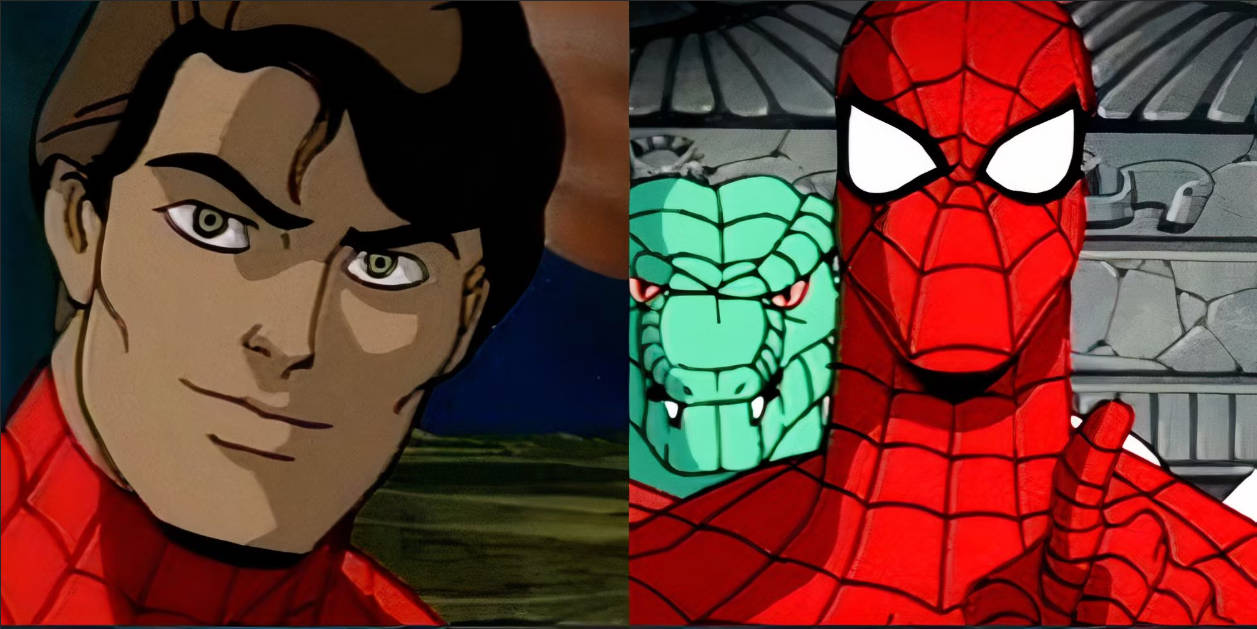
Writing and Storytelling in Spider-Man Animated Series
Introduction
Writing and storytelling are the foundation of any successful animated series, and Spider-Man has been fortunate to have some of the best writers in the business bringing his stories to life. Over the past five decades, writers have adapted Spider-Man for different generations, balancing classic elements of the character with contemporary sensibilities. This analysis examines the evolution of writing and storytelling techniques across Spider-Man animated series, exploring how writers have approached character development, plot structure, and thematic exploration while maintaining the core essence of the character.
The Early Years: Simplified Storytelling for a New Medium (1960s-1970s)
Spider-Man (1967-1970)
- Writing Approach: The first Spider-Man animated series featured simplified, episodic storytelling designed for children
- Plot Structure: Episodes followed a straightforward structure: problem introduction, conflict, resolution
- Character Development: Character development was minimal, with Spider-Man remaining relatively static throughout the series
- Thematic Exploration: Themes were simple and moralistic, focusing on basic lessons about responsibility
- Cultural Context: The writing reflected the simpler storytelling conventions of 1960s children’s television
- Legacy: This series established the basic template for Spider-Man storytelling in animation
Adapting Comics for Television
- Source Material: The series adapted stories from the early Spider-Man comics, simplifying them for television
- Censorship: The writers had to work within the censorship constraints of 1960s children’s television
- Format Constraints: The half-hour format necessitated simplified storytelling
- Audience Considerations: The writing was tailored for a young audience with shorter attention spans
The Transition Era: Expanding Storytelling Horizons (1980s)
Spider-Man (1981-1982) and Spider-Man and His Amazing Friends (1981-1983)
- Writing Approach: The 1980s Spider-Man series featured slightly more complex storytelling than their 1960s predecessor
- Plot Structure: Episodes maintained the episodic structure but introduced more complex plots
- Character Development: Characters began to show more growth and development
- Thematic Exploration: Themes expanded to include friendship, teamwork, and more nuanced moral lessons
- Cultural Context: The writing reflected the growing sophistication of children’s television in the 1980s
- Legacy: These series expanded the storytelling possibilities for Spider-Man in animation
The Influence of Saturday Morning Cartoons
- Comedy Elements: The writing incorporated more comedy elements to appeal to Saturday morning audiences
- Educational Components: Some episodes included educational components, reflecting the trend in 1980s children’s television
- Ensemble Cast: “Spider-Man and His Amazing Friends” introduced an ensemble cast, allowing for more varied storytelling
- Cross-Promotion: The writing occasionally incorporated elements designed to promote toys and other merchandise
The Golden Age: Sophisticated Storytelling for a Broader Audience (1990s)
Spider-Man: The Animated Series (1994-1998)
- Writing Approach: This series featured sophisticated, serialized storytelling that appealed to both children and adults
- Plot Structure: The series combined episodic stories with longer story arcs that spanned multiple episodes
- Character Development: Characters underwent significant growth and development throughout the series
- Thematic Exploration: Themes included responsibility, redemption, sacrifice, and the nature of heroism
- Cultural Context: The writing reflected the growing maturity of animated storytelling in the 1990s
- Legacy: This series is widely regarded as one of the best written Spider-Man adaptations
The Art of Serialized Storytelling
- Story Arcs: The series featured multi-episode story arcs that allowed for more complex storytelling
- Character Arcs: Characters had long-term development arcs that spanned multiple episodes
- Continuity: The series maintained continuity between episodes, creating a cohesive narrative universe
- Cliffhangers: The series used cliffhangers to keep audiences engaged between episodes
The Modern Era: Diverse Storytelling Approaches (2000s-Present)
Spider-Man: The New Animated Series (2003)
- Writing Approach: This series featured more mature, character-driven storytelling
- Plot Structure: The series combined standalone episodes with serialized elements
- Character Development: Characters were complex and underwent significant development
- Thematic Exploration: Themes included identity, responsibility, and the consequences of one’s actions
- Cultural Context: The writing reflected the growing trend toward more mature animated storytelling
- Legacy: This series pushed the boundaries of what was possible in Spider-Man storytelling
The Spectacular Spider-Man (2008-2009)
- Writing Approach: This series featured tight, character-focused storytelling with a strong emphasis on serialized narratives
- Plot Structure: The series balanced standalone episodes with longer story arcs
- Character Development: Characters were well-developed and underwent realistic growth
- Thematic Exploration: Themes included responsibility, friendship, and the challenges of adolescence
- Cultural Context: The writing reflected a return to classic superhero storytelling with modern sensibilities
- Legacy: This series is widely praised for its tight plotting and character development
Ultimate Spider-Man (2012-2017)
- Writing Approach: This series featured a more comedic, action-packed storytelling style
- Plot Structure: The series combined standalone episodes with serialized elements, often with a comedic tone
- Character Development: Characters were developed through humor and action rather than dramatic arcs
- Thematic Exploration: Themes included teamwork, friendship, and the importance of responsibility
- Cultural Context: The writing reflected the growing trend toward comedic superhero storytelling
- Legacy: This series introduced a more lighthearted approach to Spider-Man storytelling
Spider-Man (2017-2020)
- Writing Approach: This series featured serialized storytelling with a focus on character development
- Plot Structure: The series combined standalone episodes with longer story arcs
- Character Development: Characters underwent significant growth and development
- Thematic Exploration: Themes included identity, responsibility, friendship, and family
- Cultural Context: The writing reflected the current trend of serialized storytelling in animation
- Legacy: This series continued to expand the storytelling possibilities for Spider-Man
Spider-Man: Into the Spider-Verse (2018)
- Writing Approach: This film featured innovative, multi-dimensional storytelling that broke new ground
- Plot Structure: The film wove multiple storylines together in a cohesive narrative
- Character Development: Multiple characters underwent significant development
- Thematic Exploration: Themes included identity, legacy, and the universal nature of heroism
- Cultural Context: The writing reflected the growing diversity of superhero storytelling
- Legacy: This film redefined what was possible in Spider-Man storytelling
The Art of Character Writing
Writing Peter Parker/Spider-Man
- Age and Maturity: Writers adjust their approach to Peter based on his age in different adaptations
- Dual Identity: Writing the dual identity requires balancing Peter’s everyday life with his superhero responsibilities
- Voice: Creating a consistent voice for Peter that feels authentic and relatable
- Growth: Ensuring that Peter grows and develops over time
Writing Villains
- Motivation: Creating compelling motivations for villains that go beyond simple greed or malice
- Complexity: Developing complex, multi-dimensional villains
- Sympathy: Creating villains that audiences can sympathize with, even as they oppose Spider-Man
- Rarity: Ensuring that villains feel like genuine threats rather than routine obstacles
Writing Supporting Characters
- Depth: Giving supporting characters depth and development beyond their relationships with Spider-Man
- Arcs: Creating meaningful character arcs for supporting characters
- Conflict: Developing conflicts between supporting characters that drive the story forward
- Relevance: Ensuring that supporting characters remain relevant to the overall narrative
Thematic Exploration
Responsibility and Power
- Uncle Ben’s Lesson: Exploring the meaning and implications of Uncle Ben’s famous lesson
- Personal Responsibility: Examining how Peter’s sense of responsibility affects his everyday life
- Power Dynamics: Exploring the dynamics of power and responsibility in the superhero world
- Moral Dilemmas: Creating moral dilemmas that test Peter’s commitment to responsibility
Identity and Self-Discovery
- Dual Identity: Exploring the challenges of maintaining a dual identity
- Self-Acceptance: Examining Peter’s journey toward self-acceptance
- Mask and Self: Exploring the relationship between the mask and the true self
- Identity Crisis: Creating moments of identity crisis that force Peter to confront who he really is
Relationships and Connections
- Romantic Relationships: Writing realistic, compelling romantic relationships for Peter
- Friendships: Developing meaningful friendships that support and challenge Peter
- Family: Exploring Peter’s relationships with his family, both biological and surrogate
- Community: Examining Peter’s relationship with the community he protects
Morality and Ethics
- Moral Compass: Exploring how Peter’s moral compass guides his actions
- Ethical Dilemmas: Creating ethical dilemmas that force Peter to make difficult choices
- Gray Areas: Examining the gray areas of morality that Peter encounters
- Redemption: Exploring the possibility of redemption for villains and anti-heroes
The Writing Process
From Concept to Script
- Brainstorming: Generating ideas for episodes and story arcs
- Outline: Creating detailed outlines for episodes
- First Draft: Writing the first draft of the script
- Revisions: Revising the script based on feedback from the creative team
Collaboration and Feedback
- Writer’s Room: Working collaboratively in a writer’s room to develop stories
- Showrunner: Working with the showrunner to ensure consistency with the series’ vision
- Voice Actors: Incorporating feedback from voice actors to improve characterizations
- Animation Team: Collaborating with the animation team to ensure that the writing works visually
Adapting Source Material
- Comic Book Adaptations: Adapting stories from the comic books for animation
- Modernization: Updating older stories to make them relevant for contemporary audiences
- Original Stories: Creating original stories that expand the Spider-Man universe
- Balancing Fidelity: Balancing fidelity to the source material with creative freedom
Cultural Impact and Legacy
Influential Writers
- Stan Lee: The co-creator of Spider-Man who established the character’s core themes and personality
- John Semper Jr.: The head writer of “Spider-Man: The Animated Series” who helped redefine Spider-Man for a new generation
- Greg Weisman: The developer of “The Spectacular Spider-Man” who brought a new level of sophistication to Spider-Man storytelling
- Phil Lord and Christopher Miller: The writers of “Spider-Man: Into the Spider-Verse” who redefined what was possible in Spider-Man storytelling
Impact on Comics
- Cross-Pollination: Animated adaptations have occasionally influenced the comic books
- Character Interpretations: Voice actors’ interpretations of characters have influenced comic book writers
- Story Arcs: Some animated story arcs have been adapted into comic books
- Cultural Reach: Animation has helped expand Spider-Man’s cultural reach beyond comic book readers
The Future of Spider-Man Storytelling
- Diverse Voices: The trend toward more diverse writers telling Spider-Man stories
- Experimental Approaches: The possibility of more experimental storytelling approaches
- Multi-Platform Storytelling: The integration of storytelling across multiple platforms
- Global Perspectives: The incorporation of global perspectives into Spider-Man storytelling
Conclusion
Writing and storytelling have been essential components of the success of Spider-Man animated series. From the simplified stories of the 1960s to the sophisticated narratives of today, writers have adapted Spider-Man for different generations while maintaining the core essence of the character.
What makes Spider-Man such a compelling character for writers is his relatability. Unlike many superheroes, Peter Parker faces everyday challenges that audiences can identify with—school, work, relationships—while also shouldering the responsibilities of being a superhero. This combination of the ordinary and the extraordinary provides writers with endless storytelling possibilities.
As Spider-Man animation continues to evolve, writers will continue to find new ways to tell his story, adapting to changing cultural contexts and technological possibilities. However, the core elements that make Spider-Man so enduring—his sense of responsibility, his relatable struggles, and his unwavering heroism—will remain constant.
In the end, the best Spider-Man stories are not just about fights with supervillains, but about the human drama of a young person trying to balance his everyday life with his extraordinary responsibilities. It is this combination of the personal and the heroic that has made Spider-Man one of the most beloved and enduring characters in popular culture.