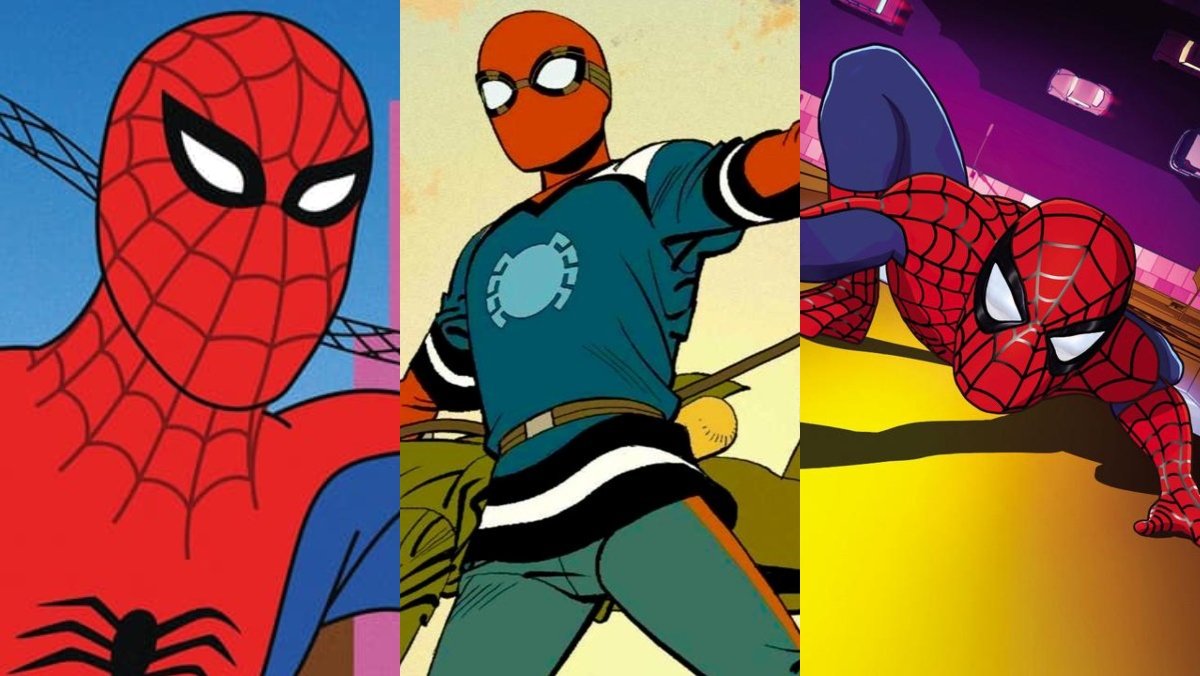
The Production Process of Spider-Man Animated Series
Introduction
Creating a Spider-Man animated series is a complex, multi-step process that involves dozens of talented professionals working together to bring the beloved character to life. From initial concept development to final broadcast, each step in the production process requires careful planning, creative collaboration, and technical expertise. This analysis examines the production process behind Spider-Man animated series, exploring how different adaptations have been brought to the screen and how the process has evolved over time.
Development Phase: From Concept to Greenlight
Initial Concept Development
- Idea Generation: The process begins with generating ideas for a new Spider-Man animated series
- Market Research: Producers conduct market research to understand audience preferences and trends
- Creative Direction: The creative team establishes the overall direction and tone of the series
- Pitch: The concept is pitched to networks or streaming platforms for approval
Greenlight and Pre-Production
- Greenlight: Once approved, the series is given a greenlight to move forward
- Creative Team Assembly: The showrunner assembles a team of writers, artists, and producers
- Bible Creation: A series bible is created that outlines the characters, setting, and overarching storylines
- Style Guide: A style guide is developed that establishes the visual look of the series
Pre-Production: Laying the Groundwork
Script Development
- Story Arcs: The writing team develops overarching story arcs for the season
- Episode Outlines: Detailed outlines are created for each episode
- Script Writing: Writers draft scripts based on the outlines
- Script Revisions: Scripts are revised based on feedback from the creative team
Character and Environment Design
- Character Design: Character designers create detailed designs for the main characters, supporting characters, and villains
- Environment Design: Background artists design the series’ locations, including Peter’s apartment, the Daily Bugle, and New York City
- Prop Design: Artists design the series’ props, including Spider-Man’s web-shooters and various villain weapons
- Color Script: A color script is created that establishes the color palette for the series
Voice Casting
- Casting Director: A casting director is hired to find the right voice actors for each role
- Auditions: Voice actors audition for the various roles
- Callbacks: Selected voice actors return for callbacks
- Final Casting: The final voice cast is selected based on their performances and chemistry
Production: Bringing the Series to Life
Voice Recording
- Recording Sessions: Voice actors record their lines in a soundproof studio
- Voice Direction: A voice director guides the actors to ensure consistent performances
- ADR: Additional Dialogue Recording (ADR) is used to fix lines or add dialogue during post-production
- Quality Control: Recordings are checked for quality and consistency
Animation Production
- Storyboarding: Storyboard artists create visual representations of each episode
- Animatic Creation: Storyboards are edited together with temporary audio to create an animatic
- Layout: Layout artists create detailed drawings of each scene, including camera angles and character positions
- Animation: Animators bring the characters to life through movement
- Inking and Painting: Inkers and painters add detail and color to the animation
Background Production
- Background Painting: Background artists paint detailed backgrounds for each scene
- Background Integration: Backgrounds are integrated with the animated characters
- Atmospheric Effects: Artists add atmospheric effects such as weather, lighting, and smoke
- Consistency Check: Backgrounds are checked for consistency with the series’ style guide
Music and Sound Design
- Score Composition: Composers create original music for the series
- Sound Effects Creation: Sound designers create and collect sound effects
- Foley Recording: Foley artists create custom sound effects for specific actions
- Audio Mixing: Audio engineers mix the dialogue, music, and sound effects together
Post-Production: Polishing the Final Product
Editing
- Rough Cut: Editors assemble the animation, audio, and music into a rough cut
- Fine Cut: The rough cut is refined into a fine cut
- Timing Adjustments: Editors adjust the timing of scenes to improve pacing
- Quality Control: The edited episodes are checked for quality and consistency
Visual Effects
- Effects Animation: Effects animators add special effects such as web-slinging, explosions, and energy blasts
- Color Correction: Colorists adjust the color balance and saturation to ensure consistency
- Digital Cleanup: Artists clean up any animation errors or inconsistencies
- Final Rendering: The final episodes are rendered in the appropriate format for broadcast
Quality Assurance
- Technical Check: Episodes are checked for technical issues such as audio levels and video quality
- Content Review: Episodes are reviewed for content appropriateness
- Legal Review: Episodes are reviewed for legal issues such as copyright infringement
- Final Approval: The creative team gives final approval for the episodes
Distribution and Marketing
Broadcast Preparation
- Formatting: Episodes are formatted for different broadcast platforms
- Scheduling: Networks or streaming platforms schedule the episodes for release
- Promotion: Marketing materials are created to promote the series
- Premiere Preparation: The team prepares for the series premiere
Marketing and Promotion
- Trailers: Trailers are created to generate interest in the series
- Merchandising: Merchandise such as toys, clothing, and books are developed
- Social Media: Social media campaigns are launched to promote the series
- Press Coverage: The series is promoted through press releases, interviews, and reviews
The Evolution of the Production Process
From Traditional to Digital Animation
- Traditional Cel Animation: Early Spider-Man series used traditional cel animation techniques
- Digital Ink and Paint: Later series adopted digital ink and paint techniques
- 3D Animation: Some modern series have incorporated 3D animation techniques
- Hybrid Approaches: Many recent series use hybrid approaches combining traditional and digital techniques
Changes in Production Technology
- Computer-Assisted Animation: Computers have increasingly been used to assist in the animation process
- Digital Editing: Editing has evolved from physical film editing to digital editing
- Remote Collaboration: Advances in technology have made remote collaboration possible
- Real-Time Feedback: Digital technology allows for real-time feedback during production
Changes in Production Schedules
- Shorter Schedules: Modern production schedules are often shorter than in the past
- Increased Efficiency: Digital technology has increased production efficiency
- Year-Round Production: Some series now have year-round production schedules
- Simultaneous Production: Different episodes are often in different stages of production simultaneously
Challenges in Spider-Man Animation Production
Staying True to the Source Material
- Comic Book Fidelity: Balancing fidelity to the comic books with creative freedom
- Character Consistency: Ensuring that Spider-Man and other characters remain consistent with their comic book counterparts
- Continuity: Maintaining continuity with previous adaptations while introducing new elements
- Fan Expectations: Meeting the expectations of Spider-Man fans while attracting new audiences
Technical Challenges
- Spider-Man’s Movement: Capturing the fluid, acrobatic movement of Spider-Man
- Web-Slinging: Creating convincing web-slinging sequences
- New York City: Creating a convincing and consistent New York City environment
- Action Sequences: Choreographing complex action sequences that showcase Spider-Man’s powers
Budget and Time Constraints
- Budget Management: Managing production budgets while maintaining quality
- Time Management: Meeting tight production deadlines
- Resource Allocation: Allocating resources effectively across different aspects of production
- Creative Compromises: Making creative compromises when faced with budget or time constraints
Case Studies: Production of Notable Spider-Man Animated Series
Spider-Man: The Animated Series (1994-1998)
- Production Approach: This series was produced using traditional cel animation techniques
- Challenges: The production team faced challenges in adapting complex comic book storylines for television
- Innovations: The series introduced serialized storytelling to Spider-Man animation
- Legacy: The series set a new standard for superhero animation production
The Spectacular Spider-Man (2008-2009)
- Production Approach: This series used a combination of traditional and digital animation techniques
- Challenges: The production team faced challenges in creating a visually distinctive series that remained faithful to the comics
- Innovations: The series introduced a more realistic approach to Spider-Man’s movement and web-slinging
- Legacy: The series is praised for its tight production values and consistent quality
Spider-Man: Into the Spider-Verse (2018)
- Production Approach: This film used a revolutionary animation technique that mimicked the look of comic books
- Challenges: The production team faced significant technical challenges in developing the film’s unique visual style
- Innovations: The film introduced new animation techniques that have influenced subsequent animated productions
- Legacy: The film’s production techniques have been widely praised and studied
The Future of Spider-Man Animation Production
Emerging Technologies
- AI-Assisted Animation: AI-assisted animation tools could streamline the production process
- Virtual Production: Virtual production techniques could revolutionize how Spider-Man animation is created
- Real-Time Rendering: Real-time rendering could allow for more interactive production processes
- Immersive Technologies: Virtual reality and augmented reality could be used in the production process
Changing Production Models
- Streaming Platforms: The rise of streaming platforms has changed production models and schedules
- Global Collaboration: Increased global collaboration could lead to more diverse production teams
- Shorter Seasons: The trend toward shorter, more focused seasons could continue
- Interactive Content: The development of interactive Spider-Man content could require new production approaches
Sustainability in Production
- Digital Workflows: More sustainable digital workflows could reduce the environmental impact of production
- Remote Work: Increased remote work could reduce the carbon footprint of production
- Resource Optimization: More efficient use of resources could make production more sustainable
- Ethical Production: Increased focus on ethical production practices could become more important
Conclusion
The production process behind Spider-Man animated series is a complex, multi-step journey that requires the collaboration of dozens of talented professionals. From initial concept development to final broadcast, each step in the process is essential to creating a successful adaptation of the beloved character.
Over the years, the production process has evolved significantly, driven by advances in technology, changes in audience expectations, and the creative vision of the people behind each series. From the traditional cel animation of the 1960s to the cutting-edge digital techniques of today, each era has brought its own unique challenges and innovations.
What remains constant, however, is the passion and dedication of the people who bring Spider-Man to life. Whether working on a traditional 2D series or a groundbreaking 3D film, the production teams behind Spider-Man animated series share a common goal: to create a compelling, entertaining adaptation that honors the character’s legacy while introducing him to new generations of fans.
As technology continues to advance and storytelling approaches evolve, the production process behind Spider-Man animated series will undoubtedly continue to change. But one thing is certain: Spider-Man will remain a beloved character whose adventures will continue to captivate audiences for years to come.