Spider-Man Animated Series: A Comprehensive Comparison
Introduction
Spider-Man has been a staple of animated television for over six decades, with numerous series adapting the character for different generations. Each series brings its own unique approach, visual style, and storytelling sensibilities, reflecting the era in which it was produced. This comprehensive comparison examines the major Spider-Man animated series, highlighting their strengths, differences, and lasting legacies.
The Classic Era (1960s-1980s)
Spider-Man (1967-1970)
- Animation Style: Limited animation with bold, vibrant colors and stylized backgrounds
- Storytelling: Standalone episodes with simple, straightforward plots
- Tone: Lighthearted and adventurous, with occasional moments of drama
- Characterization: Simplified characterizations focused on Spider-Man’s heroism
- Legacy: Introduced Spider-Man to television audiences and featured the iconic theme song
Spider-Man (1981-1982)
- Animation Style: Improved animation with more fluid movements and detailed backgrounds
- Storytelling: More complex plots than the 1967 series, but still primarily standalone episodes
- Tone: Balanced lighthearted moments with more serious storytelling
- Characterization: More nuanced characterizations, with greater focus on Peter Parker’s personal life
- Legacy: Bridged the gap between the limited animation of the 1960s and the more sophisticated storytelling of the 1990s
Spider-Man and His Amazing Friends (1981-1983)
- Animation Style: High-quality animation with fluid movements, thanks to TMS Entertainment’s involvement
- Storytelling: Team-focused adventures with elements of a sitcom
- Tone: Lighthearted and fun, with emphasis on friendship and teamwork
- Characterization: Focused on the dynamics between Spider-Man, Iceman, and Firestar
- Legacy: Introduced Firestar, who later became a fixture in Marvel comics, and popularized the concept of Spider-Man as part of a team
The Golden Age (1990s)
Spider-Man: The Animated Series (1994-1998)
- Animation Style: Traditional 2D animation with detailed character designs and backgrounds
- Storytelling: Ambitious serialized storytelling with complex story arcs spanning multiple episodes
- Tone: Balanced lighthearted moments with serious drama and emotional depth
- Characterization: Nuanced, complex characterizations of Spider-Man/Peter Parker and his supporting cast
- Legacy: Widely regarded as the definitive Spider-Man animated series, influencing subsequent adaptations
Spider-Man Unlimited (1999-2001)
- Animation Style: Mixed media approach combining traditional 2D animation with CGI elements
- Storytelling: Ambitious sci-fi adventure set on an alien planet
- Tone: More serious and dramatic than previous series
- Characterization: Mature portrayal of Spider-Man in a unique setting
- Legacy: A bold experiment that pushed the boundaries of what a Spider-Man series could be
The Modern Era (2000s-Present)
Spider-Man: The New Animated Series (2003)
- Animation Style: Full CGI animation with motion capture technology
- Storytelling: Mature, character-driven stories set in college
- Tone: More grounded and mature than previous series
- Characterization: Complex characterizations with emphasis on relationships
- Legacy: Paved the way for future CGI superhero animated series
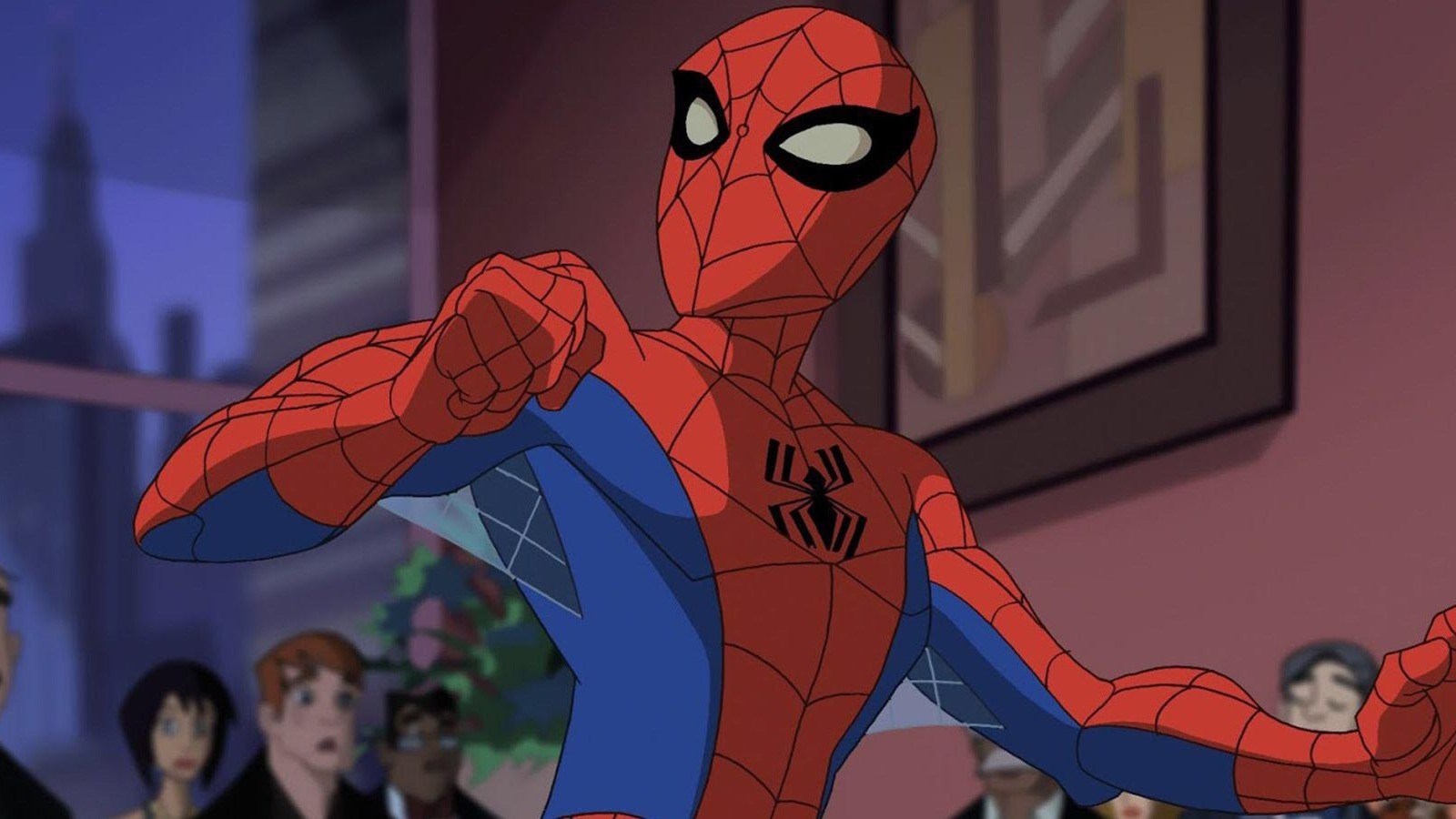
The Spectacular Spider-Man (2008-2009)
- Animation Style: Traditional 2D animation with clean, modern character designs
- Storytelling: Sophisticated serialized storytelling focused on Peter Parker’s high school years
- Tone: Balanced humor and drama with realistic character development
- Characterization: Nuanced, realistic characterizations that emphasized Peter’s humanity
- Legacy: Regarded by many as the best Spider-Man animated series, despite its premature cancellation
Ultimate Spider-Man (2012-2017)
- Animation Style: Stylized 2D animation with comedic visual elements
- Storytelling: Team-focused adventures with meta humor and crossover elements
- Tone: Lighthearted and comedic, with occasional serious moments
- Characterization: More irreverent portrayal of Spider-Man with emphasis on team dynamics
- Legacy: Popularized the concept of Spider-Man as part of a team and explored the multiverse
Spider-Man (2017-2020)
- Animation Style: CGI animation with modern, stylized character designs
- Storytelling: Serialized storytelling with connections to the broader Marvel universe
- Tone: Balanced lighthearted moments with serious drama
- Characterization: Modern, relatable characterizations with diverse supporting cast
- Legacy: Updated Spider-Man for contemporary audiences with modern sensibilities
Spider-Man: Freshman Year (2024-Present)
- Animation Style: Retro-inspired animation with modern techniques
- Storytelling: Alternate origin story set within the MCU
- Tone: Balanced nostalgia with modern storytelling
- Characterization: Fresh take on Peter Parker’s early days as Spider-Man
- Legacy: Bridges the gap between classic Spider-Man and the MCU
Comparative Analysis
Animation Evolution
- 1960s-1980s: Evolution from limited animation to more fluid, detailed animation
- 1990s: Peak of traditional 2D animation with sophisticated techniques
- 2000s: Experimentation with CGI animation and motion capture
- 2010s-Present: Mix of traditional 2D, CGI, and stylized approaches
Storytelling Complexity
- 1960s: Simple, standalone episodes with minimal continuity
- 1980s: More complex plots with occasional serialized elements
- 1990s: Ambitious serialized storytelling with complex story arcs
- 2000s-Present: Balance of serialization and standalone episodes, with varying degrees of complexity
Characterization Depth
- 1960s: Simplified characterizations focused on heroism
- 1980s: More nuanced characterizations with greater focus on personal lives
- 1990s-Present: Complex, multi-dimensional characterizations with emphasis on personal struggles
Tone and Themes
- 1960s: Lighthearted and adventurous
- 1970s-1980s: Balanced lighthearted moments with serious themes
- 1990s: Sophisticated balance of humor, drama, and emotional depth
- 2000s-Present: Varying tones from mature and grounded to lighthearted and comedic
Supporting Cast Importance
- 1960s: Supporting cast in minor roles
- 1970s-1980s: Supporting cast with greater importance
- 1990s-Present: Supporting cast as integral parts of the story
Villain Portrayal
- 1960s: Simplified, one-dimensional villains
- 1970s-1980s: Villains with basic motivations
- 1990s-Present: Complex villains with depth and nuance
Strengths and Weaknesses
Spider-Man: The Animated Series (1994-1998)
- Strengths: Sophisticated storytelling, emotional depth, iconic voice acting, faithful adaptation
- Weaknesses: Limited animation by today’s standards, occasional pacing issues
The Spectacular Spider-Man (2008-2009)
- Strengths: Exceptional character development, fluid animation, faithful adaptation, realistic portrayal
- Weaknesses: Premature cancellation, limited episode count
Ultimate Spider-Man (2012-2017)
- Strengths: Humor, team dynamics, multiverse exploration, crossover elements
- Weaknesses: Departure from traditional Spider-Man formula, divisive tone
Spider-Man (2017-2020)
- Strengths: Modern sensibilities, diverse cast, CGI animation, MCU connections
- Weaknesses: Mixed reception to CGI animation, inconsistent tone
Spider-Man: Freshman Year (2024-Present)
- Strengths: Retro-modern aesthetic, MCU connections, fresh origin story
- Weaknesses: Still developing, potential continuity issues
Legacy and Influence
Impact on Spider-Man’s Popularity
- 1960s Series: Introduced Spider-Man to television audiences
- 1994 Series: Significantly boosted Spider-Man’s mainstream popularity
- Modern Series: Maintained Spider-Man’s relevance for new generations
Influence on Subsequent Adaptations
- 1960s Series: Established the template for Spider-Man on television
- 1994 Series: Set a new standard for superhero animated storytelling
- 2000s Series: Paved the way for CGI superhero animation
- 2010s Series: Explored new narrative possibilities for Spider-Man
Cultural Significance
- 1960s Series: A product of its time, reflecting the optimism of the era
- 1980s Series: Captured the spirit of Saturday morning cartoons
- 1990s Series: A cultural touchstone for a generation
- 2000s-Present Series: Reflected changing audience tastes and sensibilities
Fan Base Comparison
Generational Appeal
- 1960s Series: Appeals to older fans and those interested in animation history
- 1980s Series: Nostalgic appeal for those who grew up in the era
- 1990s Series: Cross-generational appeal, beloved by both original viewers and new fans
- 2000s-Present Series: Primarily appeal to younger audiences and contemporary fans
Online Presence
- 1994 Series: Strong online presence with dedicated fan communities
- The Spectacular Spider-Man: Passionate fan base that continues to campaign for its revival
- Other Series: Varying levels of online activity, with the most recent series typically having the strongest presence
Critical Reception
- 1994 Series: Consistently ranked as one of the best animated superhero series
- The Spectacular Spider-Man: Widely regarded as the most faithful and well-crafted Spider-Man animated series
- Other Series: Mixed to positive critical reception, with varying degrees of acclaim
Conclusion
Each Spider-Man animated series brings its own unique strengths and sensibilities, reflecting the era in which it was produced. From the groundbreaking 1967 series that introduced Spider-Man to television audiences to the sophisticated 1994 series that redefined superhero storytelling, each adaptation has contributed to the character’s enduring popularity.
While the 1994 “Spider-Man: The Animated Series” and 2008-2009 “The Spectacular Spider-Man” are often cited as the best, each series has its own merits and has played an important role in Spider-Man’s animated history. Together, they demonstrate the character’s versatility and ability to adapt to changing times while remaining true to his core essence.
As Spider-Man continues to swing across television screens in new animated adventures, these series serve as a reminder of the character’s enduring appeal and the creative possibilities that exist within the Spider-Man mythos. Whether through limited animation, traditional 2D, or cutting-edge CGI, Spider-Man’s animated adventures continue to captivate audiences of all ages, ensuring his place as one of the most beloved superheroes of all time.