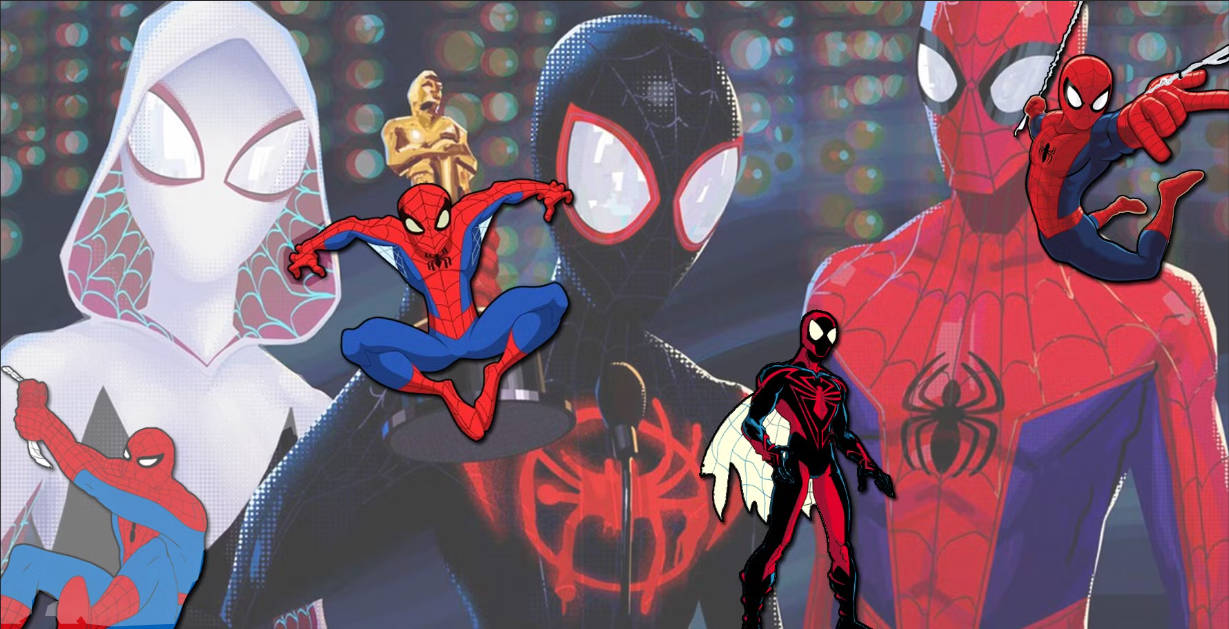
The Evolution of Art Styles in Spider-Man Animated Series
Introduction
Spider-Man has been a staple of animated television for over five decades, with each series bringing its own unique artistic vision to the character. From the limited animation of the 1960s to the cutting-edge digital techniques of today, the art styles of Spider-Man animated series have evolved dramatically, reflecting both technological advancements and changing aesthetic sensibilities. This analysis examines the evolution of art styles across Spider-Man animated series, tracing how they have adapted to different eras while maintaining the core essence of the character.
The Early Years: Limited Animation and Pop Art Influence (1960s-1970s)
Spider-Man (1967-1970)
- Art Style Overview: The first Spider-Man animated series featured a distinctive pop art-influenced style with limited animation techniques
- Character Design: Spider-Man’s design was simplified for animation, with bold lines and primary colors
- Backgrounds: Backgrounds were minimalist and often repeated to save on production costs
- Animation Techniques: Limited animation was used extensively, with repeated cycles and static backgrounds
- Cultural Context: The art style reflected the pop art movement of the 1960s and the limitations of television animation budgets
- Legacy: This series established the visual template for Spider-Man in animation and introduced the iconic theme song
Technical Limitations and Creative Solutions
- Budget Constraints: The series was produced on a tight budget, necessitating creative solutions to animation challenges
- Repurposed Animation: The series frequently reused animation cycles to save time and money
- Stylized Approach: The limited animation was compensated for with a stylized, visually striking art direction
- Colorful Palette: Bold, vibrant colors were used to create visual interest despite the limited animation
The Transition Era: Expanding Visual Horizons (1980s)
Spider-Man (1981-1982) and Spider-Man and His Amazing Friends (1981-1983)
- Art Style Overview: The 1980s Spider-Man series featured a more polished art style with improved animation quality
- Character Design: Spider-Man’s design became more detailed, with more expressive facial features
- Backgrounds: Backgrounds were more detailed and varied, creating a more immersive world
- Animation Techniques: Animation quality improved, with more fluid movement and fewer repeated cycles
- Cultural Context: The art style reflected the growing sophistication of television animation in the 1980s
- Legacy: These series expanded the visual possibilities of Spider-Man animation and introduced new characters to the animated universe
The Influence of Saturday Morning Cartoons
- Bright Color Palette: The art style featured the bright, cheerful color palette typical of 1980s Saturday morning cartoons
- Simplified Designs: Character designs remained simplified for animation but with more detail than the 1960s series
- Action Sequences: Action sequences became more dynamic, with better choreography and timing
- Visual Gags: The art style incorporated visual gags typical of comedy-focused cartoons of the era
The Golden Age: Sophisticated Storytelling and Visuals (1990s)
Spider-Man: The Animated Series (1994-1998)
- Art Style Overview: This series featured a sophisticated art style that balanced comic book fidelity with animation practicality
- Character Design: Character designs were faithful to the comic books but simplified for animation
- Backgrounds: Backgrounds were richly detailed, creating a convincing New York City environment
- Animation Techniques: Animation quality was significantly improved, with fluid movement and expressive character acting
- Cultural Context: The art style reflected the growing maturity of animated storytelling in the 1990s
- Legacy: This series is widely regarded as one of the best Spider-Man animated adaptations and set a new standard for superhero animation
The Influence of 1990s Comics
- Comic Book Aesthetics: The art style drew heavily from 1990s comic book aesthetics, with dynamic compositions and dramatic lighting
- Character Expressiveness: Characters featured more expressive facial animations and body language
- Atmospheric Lighting: The series used atmospheric lighting to create mood and tension
- Consistent Design: The series maintained a consistent visual design across all episodes, creating a cohesive world
The Modern Era: Digital Techniques and Visual Innovation (2000s-Present)
Spider-Man: The New Animated Series (2003)
- Art Style Overview: This series featured a cutting-edge 3D animation style with cel-shaded rendering
- Character Design: Character designs were stylized and angular, with a more mature aesthetic
- Backgrounds: Backgrounds were fully 3D, allowing for dynamic camera movements
- Animation Techniques: The series used motion capture and other digital techniques to create fluid movement
- Cultural Context: The art style reflected the growing use of digital animation in television
- Legacy: This series pushed the boundaries of what was possible in Spider-Man animation and introduced a new visual language for the character
The Spectacular Spider-Man (2008-2009)
- Art Style Overview: This series featured a sleek, stylized art style inspired by both classic and modern comics
- Character Design: Character designs were simplified but expressive, with a focus on clear storytelling
- Backgrounds: Backgrounds were detailed but not cluttered, creating a balanced visual experience
- Animation Techniques: The series used traditional 2D animation with digital assistance for coloring and compositing
- Cultural Context: The art style reflected a return to classic superhero storytelling with modern sensibilities
- Legacy: This series is praised for its consistent art style and strong visual storytelling
Ultimate Spider-Man (2012-2017)
- Art Style Overview: This series featured a more cartoonish, anime-influenced art style
- Character Design: Character designs were exaggerated and expressive, with a focus on comedy and action
- Backgrounds: Backgrounds were simplified to emphasize character action
- Animation Techniques: The series used a combination of traditional animation and digital techniques
- Cultural Context: The art style reflected the growing influence of anime on Western animation and the trend toward more comedic superhero storytelling
- Legacy: This series introduced a more lighthearted visual approach to Spider-Man animation
Spider-Man (2017-2020)
- Art Style Overview: This series featured a vibrant, energetic art style with bold character designs
- Character Design: Character designs were stylized and dynamic, with a focus on action and movement
- Backgrounds: Backgrounds were colorful and detailed, creating a lively world
- Animation Techniques: The series used digital animation techniques to create fluid, dynamic action sequences
- Cultural Context: The art style reflected the current trend of stylized animation in children’s television
- Legacy: This series brought a fresh visual perspective to Spider-Man animation for a new generation
Spider-Man: Into the Spider-Verse (2018)
- Art Style Overview: This groundbreaking film featured a revolutionary art style that mimicked the look of comic books
- Character Design: Character designs were highly stylized and varied, reflecting the different dimensions they came from
- Backgrounds: Backgrounds were designed to look like comic book panels, with halftone patterns and hand-drawn elements
- Animation Techniques: The film used a unique animation technique that created a stop-motion-like effect while maintaining fluid movement
- Cultural Context: The art style reflected a growing appreciation for comic book aesthetics in mainstream animation
- Legacy: This film redefined what was possible in superhero animation and won an Academy Award for Best Animated Feature
Key Artistic Elements Across Eras
Spider-Man’s Costume Design Evolution
- Classic Design: The core elements of Spider-Man’s costume have remained consistent across all adaptations
- Stylistic Variations: Different series have interpreted the costume with different stylistic flourishes
- Technical Adaptations: The costume design has adapted to different animation techniques and technologies
- Cultural Influences: The costume design has occasionally incorporated elements from contemporary fashion and culture
Visual Storytelling Techniques
- Dynamic Poses: Spider-Man is often depicted in dynamic, acrobatic poses that emphasize his powers
- Visual Metaphors: Different series have used visual metaphors to convey Spider-Man’s emotional state
- Action Choreography: The way Spider-Man moves and fights has evolved with changing animation techniques
- Environmental Interaction: Spider-Man’s interaction with his environment has become more sophisticated over time
Color Palette Evolution
- Classic Colors: The red and blue color scheme has remained consistent, but with different interpretations
- Mood and Tone: Color palettes have been used to convey different moods and tones in different series
- Technological Advancements: Advances in color technology have allowed for more nuanced and vibrant color palettes
- Visual Identity: Each series has developed its own distinct color identity while maintaining the core Spider-Man palette
Background Design Evolution
- New York City: The depiction of New York City has evolved from simple backgrounds to detailed, immersive environments
- Atmosphere: Backgrounds have become more atmospheric, with weather effects and time-of-day variations
- Consistency: Later series have maintained more consistent background designs across episodes
- Digital Enhancement: Digital techniques have allowed for more detailed and dynamic backgrounds
Technical Innovations and Their Impact
From Traditional to Digital Animation
- Traditional Cel Animation: Early Spider-Man series used traditional cel animation techniques
- Digital Ink and Paint: Later series adopted digital ink and paint techniques for more consistent coloring
- 3D Animation: Some modern series have incorporated 3D animation techniques
- Hybrid Approaches: Many recent series use hybrid approaches combining traditional and digital techniques
The Impact of Budget and Technology
- Budget Constraints: Budget constraints have historically influenced art style choices
- Technological Advancements: Technological advancements have opened up new artistic possibilities
- Creative Solutions: Animators have often found creative solutions to technical limitations
- Production Schedules: Production schedules have influenced art style choices, with faster schedules often necessitating simpler designs
Cultural and Artistic Influences
Comic Book Art Influences
- Silver Age Comics: Early animated series were influenced by Silver Age comic book art
- Modern Comics: Later series have drawn inspiration from modern comic book art styles
- Artist-Specific Influences: Some series have drawn inspiration from specific comic book artists
- Cross-Medium Influence: Animated adaptations have occasionally influenced comic book art styles
Other Animation Influences
- Anime: Japanese anime has influenced several modern Spider-Man series
- Western Animation: Other Western animated series have influenced Spider-Man adaptations
- Film: Live-action films have occasionally influenced animated adaptations
- Cultural Trends: Broader cultural trends have influenced art style choices
The Future of Spider-Man Animation Art Styles
Emerging Technologies
- AI-Assisted Animation: AI-assisted animation techniques may influence future Spider-Man series
- Virtual Production: Virtual production techniques could revolutionize how Spider-Man animation is created
- Real-Time Rendering: Real-time rendering could allow for more interactive and dynamic animation
- Immersive Experiences: New technologies could enable more immersive Spider-Man animation experiences
Evolving Aesthetic Sensibilities
- Diverse Art Styles: Future Spider-Man series may continue to explore diverse art styles
- Inclusivity: Future art styles may reflect a more inclusive vision of Spider-Man’s world
- Nostalgic Revivals: There may be periodic revivals of classic art styles
- Experimental Approaches: Future series may experiment with more unconventional art styles
Conclusion
The art styles of Spider-Man animated series have evolved dramatically over the past five decades, reflecting both technological advancements and changing aesthetic sensibilities. From the limited animation of the 1960s to the cutting-edge digital techniques of today, each era has brought its own unique visual interpretation of the character.
What has remained constant throughout this evolution is the core essence of Spider-Man. Whether depicted in the bold pop art style of the 1960s, the sophisticated comic book-inspired style of the 1990s, or the revolutionary comic book aesthetic of “Spider-Man: Into the Spider-Verse,” Spider-Man remains recognizable and true to his character.
As technology continues to advance and aesthetic sensibilities continue to evolve, future Spider-Man animated series will undoubtedly bring new visual interpretations of the character. However, the enduring appeal of Spider-Man lies not just in his visual design, but in his relatable character and compelling stories. No matter how his appearance evolves, Spider-Man will continue to resonate with audiences of all ages.
The evolution of art styles in Spider-Man animated series is a testament to the character’s versatility and enduring appeal. By adapting to different eras while maintaining his core essence, Spider-Man has remained a visually compelling and culturally relevant character for over half a century.