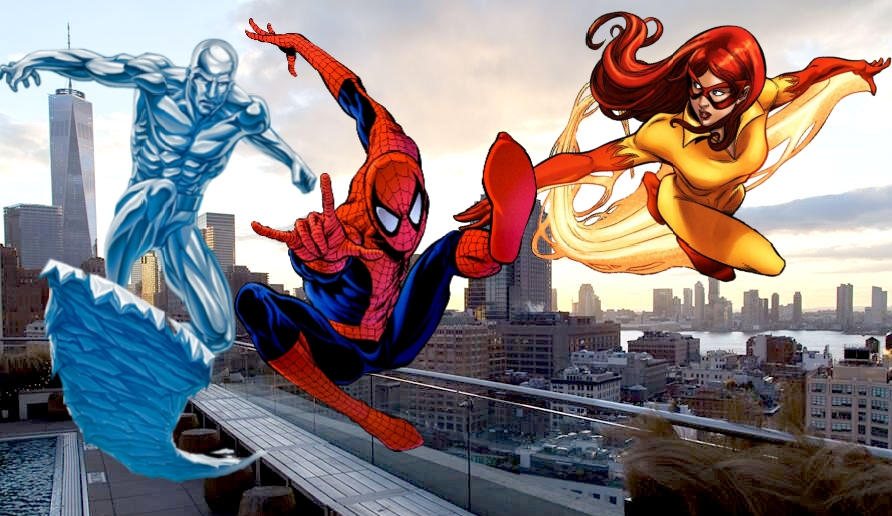
Spider-Man and His Amazing Friends: Superhero Team-Up Fun
Introduction
“Spider-Man and His Amazing Friends” is a beloved animated series that aired from 1981 to 1983. Produced by Marvel Productions and animated by TMS Entertainment, this series took a unique approach by teaming Spider-Man with two other Marvel superheroes: Iceman (Bobby Drake) and Firestar (Angelica Jones). The series combined superhero action with elements of a sitcom, creating a fun, lighthearted take on Spider-Man that appealed to a wide audience.
Production Background
The Concept
- Origins - The series was developed as a companion to the 1981 “Spider-Man” series, but with a focus on team dynamics
- Firestar’s Creation - Firestar was created specifically for the series as a replacement for the Human Torch, who couldn’t be used due to rights issues
- Animation Studio - TMS Entertainment, a Japanese studio known for its high-quality animation
- Air Dates - The series aired from September 12, 1981, to September 10, 1983, for a total of 24 episodes across three seasons
Animation Style
- Japanese Influence - The series featured more fluid animation than previous Spider-Man series, thanks to TMS Entertainment’s involvement
- Character Designs - More detailed character designs that reflected the comic book art of the era
- Visual Effects - Impressive visual effects for the characters’ powers, particularly Iceman’s ice constructs and Firestar’s flames
- Backgrounds - Detailed, colorful backgrounds that created a vibrant world
The Trio of Heroes
Spider-Man/Peter Parker
- Characterization - Peter Parker is portrayed as a college student attending Empire State University
- Personality - Retains his quick wit and sense of humor, but also shows leadership qualities as the team’s unofficial leader
- Voice Acting - Dan Gilvezan provided the voice for both Peter Parker and Spider-Man
- Dual Identity - The series often explores the challenges of maintaining his dual identity while living with his teammates
Iceman/Bobby Drake
- Characterization - Bobby Drake is Peter’s roommate and fellow college student
- Personality - The comic relief of the group, known for his jokes and lighthearted demeanor
- Powers - Can create ice constructs, slide on ice, and project cold blasts
- Voice Acting - Frank Welker provided the voice for Iceman
Firestar/Angelica Jones
- Characterization - Angelica Jones is Peter’s other roommate and fellow college student
- Personality - Intelligent, compassionate, and often the voice of reason in the group
- Powers - Can project flames, fly, and generate heat
- Voice Acting - Kathy Garver provided the voice for Firestar
Supporting Characters
- Aunt May - Peter’s aunt who occasionally appears in the series
- Professor X - Makes occasional appearances as a mentor to the team
- J. Jonah Jameson - Appears in several episodes as the gruff editor of the Daily Bugle
- Ms. Lion - A pet dog that becomes the team’s mascot
Storytelling Approach
Episode Structure
- Team Dynamics - Episodes focus on the team working together to solve problems
- Sitcom Elements - The series includes sitcom-style moments of the characters interacting in their civilian identities
- Villain of the Week - Most episodes feature a different villain or threat
- Runtime - Each episode runs for approximately 22 minutes
Notable Episodes
- “The Triumph of the Green Goblin” (Episode 1) - Introduces the Green Goblin as the series’ first villain
- “Attack of the Arachnoid” (Episode 5) - Features a spider-themed villain created by Doctor Octopus
- “The Origin of Iceman” (Episode 9) - Explores Iceman’s origin story
- “The Prison Plot” (Episode 13) - Features the Hulk as a guest star
- “The X-Men Adventure” (Episode 17) - Features a team-up with the X-Men
- “Spider-Man Unmasked” (Episode 21) - Deals with the consequences of Spider-Man’s secret identity being revealed
- “The Fantastic Spider-Man” (Episode 24) - Features a team-up with the Fantastic Four
Team-Up Format
- Guest Stars - The series frequently featured guest appearances by other Marvel superheroes
- Crossovers - Several episodes crossover with other Marvel properties, including the X-Men and the Fantastic Four
- Villain Team-Ups - Occasional episodes feature villains teaming up against the heroes
Cultural Context
The 1980s Landscape
- Saturday Morning Cartoons - The series aired during the golden age of Saturday morning cartoons
- Team-Up Trend - Reflects the 1980s trend of team-based superhero shows
- Educational Elements - Includes occasional educational messages about teamwork and responsibility
Audience Reception
- Critical Reception - The series received generally positive reviews, with critics praising its animation quality and character dynamics
- Fan Reaction - Developed a loyal fan base that appreciated its lighthearted tone and team dynamics
- Legacy - The series is now remembered fondly by those who grew up watching it, and Firestar has since become a fixture in Marvel comics
Impact and Legacy
Firestar’s Introduction
- Comic Book Debut - Firestar was later introduced into the Marvel comic universe, becoming a popular character
- X-Men Connection - Firestar eventually joined the X-Men in the comics, further cementing her place in Marvel lore
- Pioneering Female Character - Firestar represented a strong, capable female superhero in a genre that was often male-dominated
Team Dynamics
- Influence on Future Series - The series’ focus on team dynamics influenced future Marvel animated series like “X-Men: The Animated Series” and “Avengers: Earth’s Mightiest Heroes”
- Friendship Themes - The series emphasized the importance of friendship and teamwork, themes that would be explored in future Spider-Man adaptations
Cultural Impact
- Nostalgic Appeal - The series remains a nostalgic favorite for those who grew up in the 1980s
- Merchandising - Spawned a line of toys and merchandise, further expanding Spider-Man’s reach
- Introduction to Marvel Universe - Introduced many young viewers to the wider Marvel universe beyond Spider-Man
Comparison to Other Spider-Man Series
vs. 1981 Spider-Man Series
- Tone - More lighthearted and comedic than the 1981 solo series
- Focus - Emphasizes team dynamics rather than solo adventures
- Supporting Cast - Features a more consistent supporting cast with Iceman and Firestar
- Animation - Generally higher quality animation due to TMS Entertainment’s involvement
vs. 1994 Spider-Man Series
- Tone - More lighthearted and less serialized than the 1994 series
- Storytelling - Episodic rather than serialized storytelling
- Character Development - Less complex character development
- Target Audience - More explicitly aimed at younger viewers
Modern Perspective
Critical Reassessment
- Underrated Gem - Modern critics often view the series as an underrated gem that brought something new to the Spider-Man mythos
- Firestar’s Legacy - Celebrated for introducing Firestar, who has become an important part of the Marvel universe
- Animation Appreciation - Admired for its high-quality animation, especially compared to other series of the era
Availability and Rediscovery
- DVD Releases - The series has been released on DVD, allowing new audiences to discover it
- Streaming - Available on some streaming platforms, increasing its accessibility
- Fan Communities - Dedicated fan communities that celebrate the series
Enduring Qualities
- Fun Factor - Remains enjoyable due to its lighthearted tone and fun character dynamics
- Nostalgia - Evokes nostalgia for the 1980s and Saturday morning cartoons
- Team-Up Appeal - Offers a unique take on Spider-Man through his interactions with Iceman and Firestar
Conclusion
“Spider-Man and His Amazing Friends” stands out in Spider-Man’s animated history for its unique approach to the character. By teaming Spider-Man with Iceman and Firestar, the series created a fresh dynamic that emphasized friendship and teamwork while still delivering the superhero action fans expected.
The series’ legacy extends beyond its original run, introducing Firestar to the Marvel universe and influencing future team-based superhero shows. Its high-quality animation, engaging characters, and fun tone have ensured that it remains a beloved part of many fans’ childhood memories.
While it may not have the cultural impact of the 1967 series or the critical acclaim of the 1994 series, “Spider-Man and His Amazing Friends” holds a special place in the hearts of those who grew up watching it. It represents a unique moment in Spider-Man’s animated history, one that celebrated friendship, teamwork, and the joy of superhero adventures.