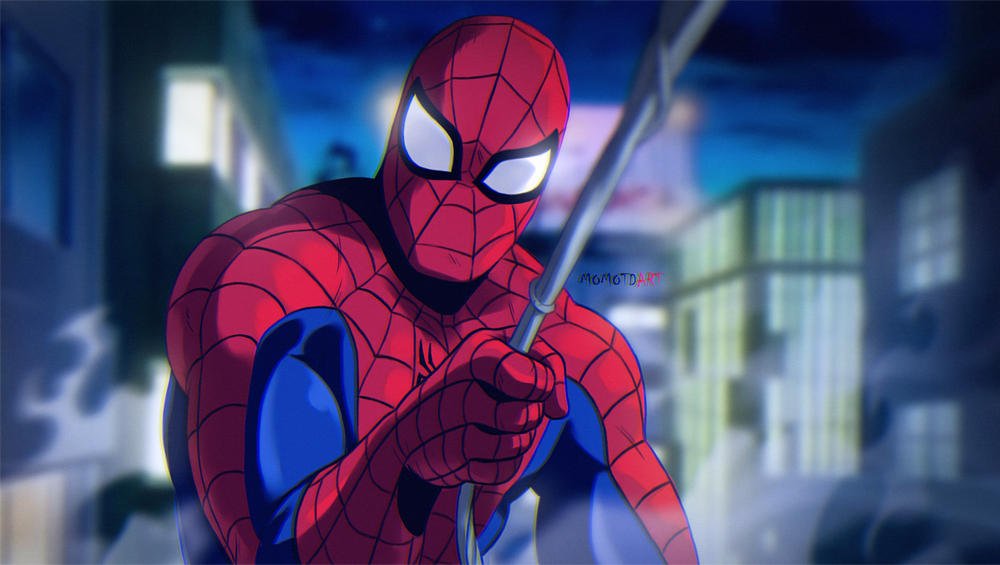
Spider-Man: The Animated Series (1994) - Cultural Impact and Legacy
Introduction
“Spider-Man: The Animated Series” (1994-1998) is more than just a beloved animated show—it’s a cultural touchstone that left an indelible mark on popular culture. Produced by Saban Entertainment and airing on Fox Kids, this series redefined what a superhero animated series could be, blending sophisticated storytelling with compelling character development. Its impact extends far beyond its original run, influencing subsequent Spider-Man adaptations and shaping the way audiences perceive the web-slinger.
The Series’ Cultural Context
The 1990s Landscape
- Saturday Morning Renaissance - Aired during a renaissance of Saturday morning cartoons, alongside other hit shows like “X-Men: The Animated Series” and “Batman: The Animated Series”
- Comic Book Resurgence - Released during a period of renewed interest in comic books, following the success of works like “The Dark Knight Returns” and “Watchmen”
- Fox Kids Dominance - Part of Fox Kids’ successful lineup that dominated children’s television in the 1990s
- Animated Maturity - Contributed to a trend of more mature animated series that appealed to both children and adults
Target Audience
- Cross-Demographic Appeal - Successfully appealed to both children and adults, a rarity for animated series at the time
- Comic Book Fans - Faithful enough to the source material to satisfy die-hard comic book fans
- Casual Viewers - Accessible enough to attract casual viewers who weren’t familiar with the comics
- Family Viewing - Became a staple of family viewing time, with parents and children watching together
Impact on Spider-Man’s Popularity
Mainstream Recognition
- Broad Exposure - Introduced Spider-Man to a wider audience than ever before, including viewers who had never read the comics
- Character Popularity - Significantly boosted Spider-Man’s mainstream popularity, helping to establish him as one of the world’s most recognizable superheroes
- Merchandise Success - Spawned a successful line of merchandise, including action figures, clothing, and video games
- Brand Expansion - Helped expand the Spider-Man brand beyond comics into other forms of media
Redefining the Character
- Nuanced Portrayal - Presented a more nuanced, complex portrayal of Spider-Man/Peter Parker than previous adaptations
- Dual Identity Struggles - Deeply explored the challenges of Peter’s dual identity, making him more relatable
- Emotional Depth - Gave Spider-Man emotional depth, showing his vulnerabilities as well as his strengths
- Supporting Cast Development - Elevated the importance of Spider-Man’s supporting cast, making them integral to the story
Influence on Subsequent Adaptations
Animated Series
- Storytelling Blueprint - Established a blueprint for subsequent animated Spider-Man series, including “The Spectacular Spider-Man” and “Ultimate Spider-Man”
- Character Dynamics - Set a standard for how Spider-Man’s relationships with his supporting cast should be portrayed
- Villain Adaptation - Demonstrated how to adapt complex Spider-Man villains for television
- Serialized Storytelling - Popularized serialized storytelling in animated superhero series
Live-Action Films
- Sam Raimi Trilogy - Influenced Sam Raimi’s “Spider-Man” film trilogy (2002-2007), particularly in its portrayal of Peter Parker’s character and relationships
- Marc Webb Films - Elements of the series can be seen in Marc Webb’s “The Amazing Spider-Man” films (2012-2014)
- MCU Spider-Man - The Marvel Cinematic Universe’s portrayal of Spider-Man bears traces of the 1994 series’ influence
- Visual Style - The series’ visual style influenced the look of subsequent Spider-Man films
Comic Books
- Storyline Adaptation - Some of the series’ original storylines were later adapted into comic books
- Characterization - The series’ portrayal of certain characters influenced their comic book counterparts
- Fan Expectations - Raised fan expectations for Spider-Man comic books, encouraging more sophisticated storytelling
Cultural References and Parodies
In Other Media
- Television - The series has been referenced and parodied in numerous television shows, including “The Simpsons” and “Family Guy”
- Film - References to the series can be found in films like “Spider-Man: Into the Spider-Verse”
- Video Games - The series has influenced Spider-Man video games, including “Spider-Man” (2000) and “Spider-Man: Shattered Dimensions”
- Internet Culture - The series has become a staple of internet culture, with numerous memes and references circulating online
Memorable Quotes and Moments
- Iconic Lines - Spider-Man’s quips and catchphrases from the series have become part of the character’s lexicon
- Emotional Moments - The series’ emotional moments, such as Uncle Ben’s death and Peter’s relationship with Mary Jane, remain etched in fans’ memories
- Villain Introductions - The series’ introductions of villains like Venom and Carnage are considered some of the best in Spider-Man’s media history
- Crossover Events - The series’ crossover events, particularly with the X-Men, remain fan favorites
The Voice Cast’s Impact
Voice Acting Legacy
- Christopher Daniel Barnes - Christopher Daniel Barnes’ portrayal of Peter Parker/Spider-Man is widely considered one of the best, influencing subsequent voice actors
- Supporting Cast - The series’ supporting voice cast, including Sara Ballantine as Mary Jane Watson and Gary Imhoff as Harry Osborn, delivered memorable performances
- Villain Voices - The series’ villain voices, such as Hank Azaria as Venom and Efrem Zimbalist Jr. as Doctor Octopus, are particularly iconic
- Industry Recognition - The series’ voice acting helped raise the profile of voice acting as a legitimate art form
Fan Connection
- Emotional Resonance - The voice actors’ performances added emotional resonance to the characters, helping fans connect with them on a deeper level
- Character Identity - For many fans, the series’ voice actors define their perception of the characters
- Convention Appearances - The series’ voice actors remain popular guests at comic book conventions, where they’re greeted with enthusiasm by fans
- Continuing Influence - Several of the series’ voice actors have gone on to voice other Marvel characters in subsequent adaptations
The Series’ Enduring Popularity
Fan Base
- Generational Appeal - The series has maintained its popularity across generations, with original fans now introducing it to their children
- Nostalgia Factor - For those who grew up watching it, the series evokes strong feelings of nostalgia
- Critical Reassessment - The series has been critically reassessed in recent years, with many critics now considering it one of the best animated superhero series ever made
- Online Communities - Dedicated online communities continue to discuss and celebrate the series
Availability and Accessibility
- DVD Releases - The series has been released on DVD multiple times, with remastered versions offering improved picture quality
- Streaming Availability - The series is available on various streaming platforms, making it accessible to new audiences
- Digital Distribution - Episodes can be purchased and downloaded digitally, ensuring continued availability
- Fan Preservation - Fans have worked to preserve and share the series, ensuring it remains accessible
Themes That Resonate
Universal Messages
- Responsibility - The series’ exploration of responsibility, based on Uncle Ben’s iconic line, continues to resonate with audiences
- Sacrifice - The theme of sacrifice, as Peter puts others’ needs before his own, remains powerful
- Identity - The struggle with identity, both as an individual and as part of a community, is universally relatable
- Redemption - The series’ exploration of redemption, particularly through characters like the Sandman, offers hope and inspiration
Social Commentary
- Prejudice - The series touched on themes of prejudice and discrimination, particularly through the character of the Mutant Registration Act crossover with the X-Men
- Power and Corruption - Explored the corrupting influence of power through villains like the Kingpin
- Media Responsibility - Examined the role and responsibility of the media through J. Jonah Jameson and the Daily Bugle
- Environmental Themes - Addressed environmental themes through storylines involving characters like the Lizard
Conclusion
“Spider-Man: The Animated Series” (1994) is more than just a popular cartoon—it’s a cultural phenomenon that redefined Spider-Man for a generation. Its sophisticated storytelling, compelling character development, and faithful adaptation of the source material set a new standard for superhero animated series.
The series’ impact extends far beyond its original run, influencing subsequent Spider-Man adaptations in animation, film, and comics. Its portrayal of Peter Parker/Spider-Man as a relatable, complex character struggling with the responsibilities of his powers resonated with audiences of all ages, helping to establish Spider-Man as one of the world’s most beloved superheroes.
Even decades after its conclusion, “Spider-Man: The Animated Series” remains a touchstone for fans, a testament to its quality and enduring appeal. Its legacy lives on in the countless Spider-Man stories that have followed, ensuring that its influence will be felt for years to come.
As Spider-Man continues to swing across screens both big and small, the 1994 animated series remains a high watermark—a perfect blend of action, drama, and heart that captured the essence of the character and introduced him to a new generation of fans. Its cultural impact is undeniable, and its place in the Spider-Man mythos is secure.