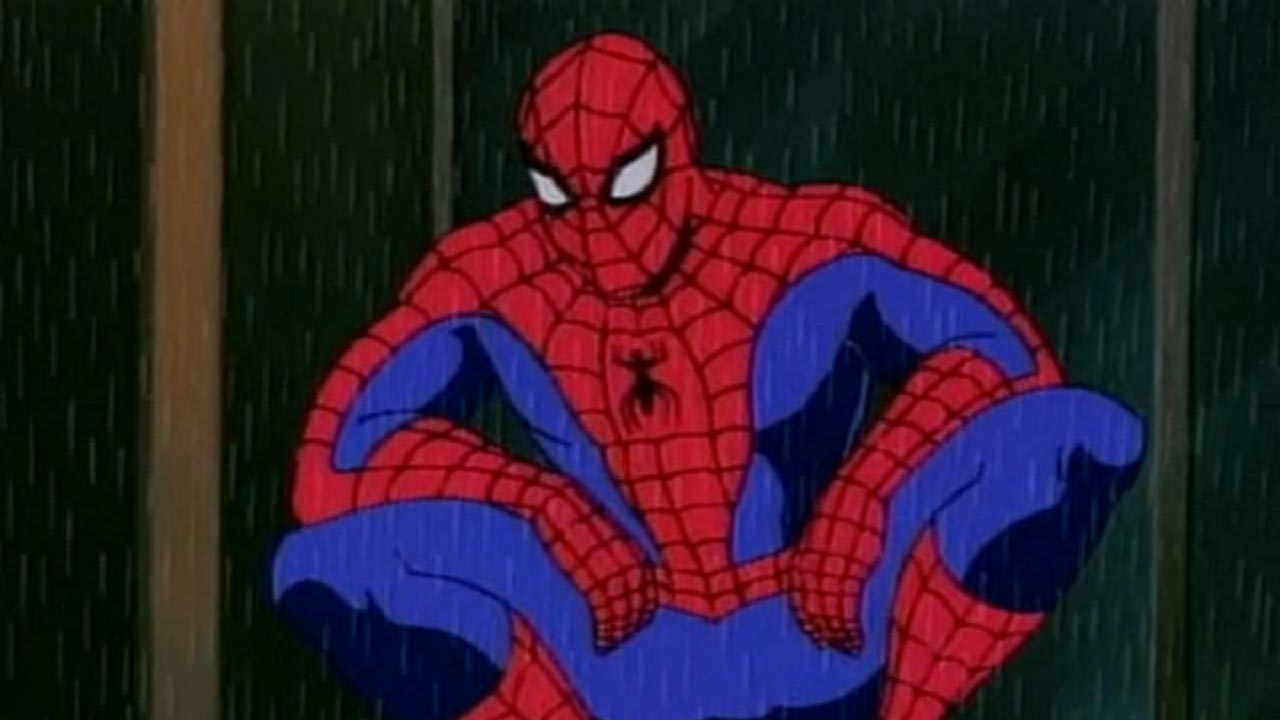
Spider-Man: The Animated Series (1994) - A Definitive Analysis
Introduction
When “Spider-Man: The Animated Series” premiered on Fox Kids in 1994, it immediately captured the hearts and imaginations of viewers of all ages. Produced by Saban Entertainment and developed by John Semper Jr., the series ran for five seasons and 65 episodes, becoming one of the most beloved and influential animated adaptations of a comic book character ever created.
Production and Development
The series was born during a period of renewed interest in Marvel characters, following the success of the “X-Men: The Animated Series” which premiered in 1992. John Semper Jr. was brought on as story editor and showrunner, tasked with creating a series that would appeal to both children and adult fans of the comics.
One of the key challenges was adapting the complex Spider-Man mythology for television while working within the constraints of children’s programming. This included navigating censorship issues, as the series was subject to the Broadcast Standards and Practices guidelines that restricted violence, language, and certain themes.
Narrative Structure and Storytelling
What set the 1994 series apart from its predecessors was its ambitious serialized storytelling. Unlike earlier Spider-Man cartoons that featured mostly standalone episodes, this series wove intricate story arcs that spanned multiple episodes, sometimes even entire seasons.
Key Story Arcs
- The Alien Costume Saga - One of the series’ most memorable storylines, adapting the Venom origin story across multiple episodes.
- The Clone Saga - A simplified version of the controversial comic book storyline, exploring themes of identity and responsibility.
- Secret Wars - An adaptation of the iconic 1984 comic book crossover, featuring Spider-Man teaming up with other Marvel heroes.
- Spider-Wars - A multi-dimensional adventure that introduced various alternate versions of Spider-Man.
Character Development
The series excelled at character development, both for Spider-Man/Peter Parker and the supporting cast.
Peter Parker/Spider-Man
The series presented a nuanced portrayal of Peter Parker, capturing his struggles as a college student, freelance photographer, and superhero. Voice actor Christopher Daniel Barnes brought depth to the character, conveying both Peter’s vulnerability and Spider-Man’s resolve.
Supporting Characters
- Mary Jane Watson - Portrayed as Peter’s love interest and eventual fiancée, with her own dreams and ambitions.
- Harry Osborn - Peter’s best friend, whose relationship with his father Norman and eventual transformation into the Green Goblin provided some of the series’ most dramatic moments.
- J. Jonah Jameson - The gruff editor of the Daily Bugle, whose hatred of Spider-Man masked a more complex relationship with the hero.
- Aunt May - Peter’s loving aunt, who provides emotional support while also dealing with her own health issues.
Villains
The series featured an impressive roster of villains, many of whom were given more depth than in previous adaptations:
- Green Goblin - Norman Osborn’s alter ego, driven by a serum that enhances his strength but corrupts his mind.
- Doctor Octopus - A brilliant scientist whose mechanical arms become fused to his body, turning him into a formidable foe.
- Venom - Eddie Brock, a journalist whose hatred for Spider-Man is amplified by the alien symbiote.
- Carnage - A more violent and unstable symbiote bonded to serial killer Cletus Kasady.
Animation and Visual Style
While the animation budget was limited by television standards of the time, the series made creative use of its resources. The character designs were faithful to the comic books, with Spider-Man’s costume closely resembling the iconic John Romita Sr. design.
The series also employed dynamic camera angles and creative action sequences that made the web-slinging and fight scenes visually engaging. The use of shadows and lighting added atmosphere to many episodes, particularly those featuring darker villains like Venom and Carnage.
Themes and Messages
At its core, “Spider-Man: The Animated Series” remained true to the character’s central theme: “With great power comes great responsibility.” This message was woven throughout the series, as Peter Parker constantly grappled with the consequences of his actions and the burden of his powers.
The series also explored themes of:
- Identity - Peter’s struggle to balance his personal life with his superhero persona.
- Redemption - Several villains, including the Lizard and the Sandman, were portrayed as tragic figures with the potential for redemption.
- Sacrifice - Peter’s willingness to put others before himself, even at great personal cost.
- Friendship and Family - The importance of Peter’s relationships with his friends and family in sustaining him through difficult times.
Cultural Impact and Legacy
“Spider-Man: The Animated Series” had a profound impact on popular culture and the Spider-Man franchise:
- Introduction to New Fans - The series introduced Spider-Man to a new generation of fans who would go on to become lifelong supporters of the character.
- Influence on Future Adaptations - Many elements of the series, including characterizations and storylines, have influenced subsequent Spider-Man adaptations in film, television, and video games.
- Critical Acclaim - The series received widespread critical acclaim for its storytelling, voice acting, and faithfulness to the source material.
- Enduring Popularity - Even decades after its original airing, the series remains popular among fans, with many considering it the definitive animated version of Spider-Man.
Conclusion
“Spider-Man: The Animated Series” (1994) stands as a testament to the power of animation to bring complex comic book characters to life. Its ambitious storytelling, memorable characters, and faithfulness to the source material have ensured its place as one of the greatest animated superhero series of all time.
Whether you’re a longtime fan revisiting the series or a new viewer discovering it for the first time, “Spider-Man: The Animated Series” continues to entertain and inspire, reminding us why Spider-Man remains one of the most beloved superheroes in the world.