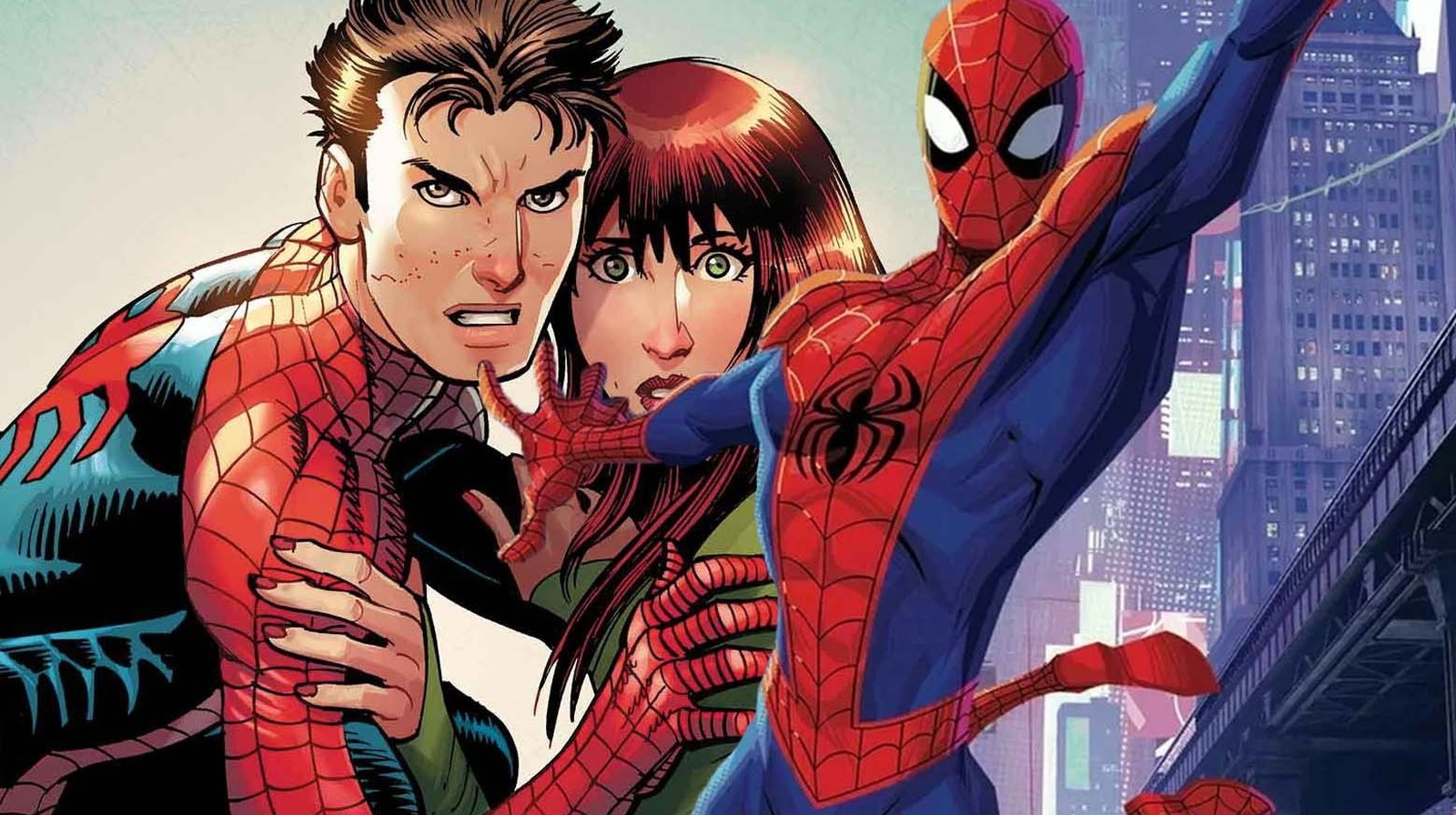
Identity and Duality: The Struggle of Being Peter Parker and Spider-Man
Introduction
The theme of identity and duality is one of the most compelling and enduring aspects of the Spider-Man mythos. From the very beginning, Peter Parker’s struggle to balance his personal life with his responsibilities as Spider-Man has been a central narrative tension. This analysis examines how this theme is explored across Spider-Man animated series, tracing its evolution, variations, and enduring relevance throughout the decades.
The Origin of the Theme
The Comic Book Foundation
The theme of identity and duality was established in Spider-Man’s first appearance in “Amazing Fantasy” #15 (1962). From the moment Peter Parker puts on the Spider-Man costume, he is forced to navigate the complexities of living two separate lives. This duality would go on to define Spider-Man’s character and become a central theme in all subsequent adaptations, including animated series.
The Psychological Conflict
At its core, the theme of identity and duality explores the psychological conflict that arises from living a double life. Peter Parker must constantly balance his personal responsibilities—such as school, work, and relationships—with his responsibilities as Spider-Man. This conflict creates a rich narrative tapestry that has been explored in countless ways across Spider-Man animated series.
Early Animated Adaptations (1960s-1980s)
Spider-Man (1967-1970)
- Theme Exploration: The series introduces the theme of identity and duality but presents it in a simplified manner
- Key Moments: Episodes often show Peter rushing to change into Spider-Man or vice versa
- Narrative Impact: The theme serves as a basic source of conflict for episodic storytelling
- Cultural Context: Reflects the simpler storytelling conventions of 1960s children’s animation
Spider-Man (1981-1982)
- Theme Exploration: The theme receives more depth than in the 1967 series
- Key Moments: Episodes begin to explore the impact of Peter’s double life on his personal relationships
- Narrative Impact: The theme begins to drive character development rather than just episodic conflict
- Cultural Context: Reflects the growing sophistication of children’s animation in the 1980s
Spider-Man and His Amazing Friends (1981-1983)
- Theme Exploration: The theme is expanded to include Spider-Man’s friends, Iceman and Firestar
- Key Moments: Episodes often focus on the challenges of maintaining secret identities as a team
- Narrative Impact: The theme becomes a shared struggle among the three heroes
- Cultural Context: Reflects the growing trend of ensemble superhero teams in animation
The Definitive Exploration (1994-1998)
Spider-Man: The Animated Series (1994-1998)
- Theme Exploration: The most comprehensive exploration of the theme up to that point
- Key Moments: The series dedicates multiple episodes to exploring the impact of Peter’s double life
- Narrative Impact: The theme drives major story arcs, including the introduction of the symbiote and the revelation of Spider-Man’s identity to certain characters
- Cultural Context: Reflects the more mature storytelling approach of 1990s animation
Notable Episodes
- “The Alien Costume” (1994): This three-part episode explores the psychological impact of the symbiote on Peter’s identity
- “The Man Without Fear” (1996): This episode explores the similarities and differences between Spider-Man and Daredevil, both of whom struggle with dual identities
- “The Final Nightmare” (1998): This episode explores the consequences of Spider-Man’s identity being revealed to the world
Modern Adaptations (2000s-Present)
The Spectacular Spider-Man (2008-2009)
- Theme Exploration: One of the most nuanced explorations of the theme
- Key Moments: The series presents a realistic portrayal of the challenges of maintaining a double life in high school
- Narrative Impact: The theme is woven into every aspect of Peter’s life, from his academic struggles to his romantic relationships
- Cultural Context: Reflects the growing complexity of animated storytelling in the 2000s
Ultimate Spider-Man (2012-2017)
- Theme Exploration: The theme is expanded to include a team of young superheroes
- Key Moments: Episodes often focus on the challenges of maintaining secret identities as a team
- Narrative Impact: The theme becomes a shared struggle among the team members
- Cultural Context: Reflects the trend of team-based superhero narratives in the 2010s
Spider-Man (2017-2020)
- Theme Exploration: The theme is reimagined for a new generation
- Key Moments: The series explores the challenges of maintaining a double life in a modern, tech-savvy world
- Narrative Impact: The theme drives Peter’s growth as both a person and a hero
- Cultural Context: Reflects the current trend of serialized storytelling in animation
Spider-Man: Into the Spider-Verse (2018)
- Theme Exploration: The theme is expanded to include multiple Spider-People from different dimensions
- Key Moments: Each Spider-Person has their own unique relationship with their dual identity
- Narrative Impact: The theme becomes a unifying principle for the diverse group of heroes
- Cultural Context: Reflects the growing popularity of multiverse stories in superhero media
Variations of the Theme
The Burden of Secret Identity
- Isolation: Peter’s secret identity often leaves him feeling isolated from his friends and family
- Deception: Peter must constantly deceive those closest to him to protect his secret
- Guilt: Peter often feels guilty about the lies he tells to maintain his secret identity
- Stress: The constant need to maintain his secret identity creates significant stress for Peter
The Benefits of Secret Identity
- Protection: Peter’s secret identity protects his loved ones from harm
- Normalcy: Peter’s civilian identity allows him to experience a sense of normalcy
- Perspective: Peter’s dual identity gives him a unique perspective on both the superhero world and the civilian world
- Growth: Balancing his dual identity helps Peter grow as both a person and a hero
The Evolution of Identity
- Integration: Over time, Peter often learns to integrate aspects of his Spider-Man identity into his Peter Parker identity
- Acceptance: Peter eventually comes to accept his dual identity as a fundamental part of who he is
- Legacy: Peter’s dual identity becomes part of his legacy, inspiring future generations of heroes
- Symbolism: Peter’s dual identity becomes a symbol of the potential within all of us to be both ordinary and extraordinary
Key Episodes and Storylines
“The Uncertainty Principle” (The Spectacular Spider-Man, 2008)
- Theme Exploration: This episode explores the consequences of Peter’s double life on his academic performance
- Key Moments: Peter struggles to balance his responsibilities as Spider-Man with his studies, leading to poor grades
- Narrative Impact: Highlights the practical challenges of maintaining a double life
- Cultural Significance: Demonstrates the theme’s relevance to the everyday struggles of teenagers
“Snow Day” (Ultimate Spider-Man, 2012)
- Theme Exploration: This episode explores the challenges of maintaining secret identities as a team
- Key Moments: The team members struggle to balance their personal lives with their responsibilities as superheroes
- Narrative Impact: Shows how the theme of identity and duality extends beyond just Spider-Man
- Cultural Significance: Demonstrates the theme’s relevance to ensemble superhero narratives
“Spider-Island” (Spider-Man, 2017)
- Theme Exploration: This multi-part storyline explores what happens when Peter’s dual identity is temporarily erased
- Key Moments: Peter gains the ability to be in two places at once, eliminating the need to balance his dual identity
- Narrative Impact: Shows the importance of both Peter Parker and Spider-Man to Peter’s overall identity
- Cultural Significance: Demonstrates the theme’s enduring relevance in modern Spider-Man storytelling
“Into the Spider-Verse” (Spider-Man: Into the Spider-Verse, 2018)
- Theme Exploration: The entire film explores the theme of identity and duality across multiple dimensions
- Key Moments: Each Spider-Person has their own unique relationship with their dual identity
- Narrative Impact: Shows how the theme can be adapted for a new generation of Spider-Man
- Cultural Significance: Demonstrates the theme’s universal appeal across different interpretations of Spider-Man
The Theme’s Impact on Character Development
Peter Parker’s Growth
- Maturity: Peter’s struggle with his dual identity forces him to mature faster than his peers
- Empathy: Peter’s dual identity gives him a unique perspective that fosters empathy for others
- Resilience: The challenges of maintaining a dual identity build Peter’s resilience
- Self-Acceptance: Over time, Peter learns to accept both aspects of his identity
Supporting Characters
- Discovery: Supporting characters often discover Peter’s secret identity, forcing them to confront the duality of his character
- Acceptance: Supporting characters must learn to accept both Peter Parker and Spider-Man
- Involvement: Some supporting characters become involved in Peter’s double life, adding new layers to the theme
- Reflection: Supporting characters often reflect different aspects of Peter’s identity
Villains
- Identity Crisis: Some villains also struggle with identity issues, creating thematic parallels with Spider-Man
- Secret Identity: Villains often target Peter’s secret identity as a weakness
- Psychological Warfare: Villains sometimes use Peter’s dual identity as a form of psychological warfare
- Reflection: Villains sometimes reflect the darker aspects of Peter’s own identity
Cultural and Philosophical Significance
Philosophical Roots
- Self and Identity: The theme explores philosophical questions about the nature of self and identity
- Authenticity: The theme raises questions about authenticity and the true self
- Social Identity: The theme explores how social identities are constructed and maintained
- Existentialism: The theme touches on existentialist ideas about creating meaning through our choices and actions
Cultural Impact
- Relatability: The theme of identity and duality makes Spider-Man relatable to audiences, as many people struggle with balancing different aspects of their own identities
- Coming-of-Age: The theme serves as a metaphor for the coming-of-age process, as teenagers navigate the complexities of developing their own identities
- Work-Life Balance: The theme resonates with adults who struggle to balance their professional and personal lives
- Cultural Touchstone: The image of Peter Parker rushing to change into Spider-Man has become a cultural touchstone, symbolizing the universal struggle to balance different aspects of our lives
Relevance to Contemporary Issues
- Digital Identity: The theme of identity and duality is increasingly relevant in the digital age, as people navigate multiple online identities
- Social Media: The theme speaks to the challenges of maintaining authentic identities in the age of social media
- Work-Life Integration: The theme is relevant to contemporary discussions about work-life integration
- Mental Health: The theme touches on issues of mental health, as the stress of maintaining a double life can take a toll on Peter’s psychological well-being
The Theme’s Evolution in Animation
Changes in Storytelling Approach
- Simplification to Complexity: The theme has evolved from a simple source of conflict to a complex exploration of identity
- Explicit to Implicit: The theme is now often explored implicitly through character actions rather than explicitly stated
- Individual to Collective: The theme has expanded from an individual struggle to a collective experience
- Static to Dynamic: The theme is now often portrayed as a dynamic, evolving concept rather than a static conflict
Changes in Visual Representation
- Symbolism: Visual symbolism is increasingly used to represent the theme
- Color Palette: Color palettes are often used to distinguish between Peter Parker and Spider-Man
- Animation Style: Different animation styles are used to explore different aspects of the theme
- Visual Transitions: Visual transitions between Peter Parker and Spider-Man are increasingly sophisticated
Changes in Cultural Context
- Generational Shifts: The theme is adapted to resonate with different generations
- Social Movements: The theme is sometimes aligned with contemporary social movements related to identity
- Globalization: The theme is adapted to have global relevance
- Technological Change: The theme is explored in the context of modern technological developments
Conclusion
The theme of identity and duality is more than just a narrative device; it is the emotional core of the Spider-Man mythos. Across Spider-Man animated series, this theme has evolved from a simple source of conflict to a complex exploration of what it means to be human.
What makes this theme so enduring is its universal relevance. It speaks to the fundamental human experience of balancing different aspects of our identities—such as our professional selves, our personal selves, and our ideal selves. It reminds us that we all have the potential to be both ordinary and extraordinary, and that the struggle to balance these aspects of our identity is what makes us human.
As Spider-Man animated series continue to evolve, the theme of identity and duality will undoubtedly continue to be reimagined and reinterpreted for new generations. However, its core message will remain constant: that our identities are not fixed, but rather are constantly evolving through the choices we make and the responsibilities we embrace.
In the end, this theme is what makes Spider-Man more than just a superhero; it makes him a relatable, inspiring figure who reminds us of the potential within all of us to balance the different aspects of our identities and become the best versions of ourselves.