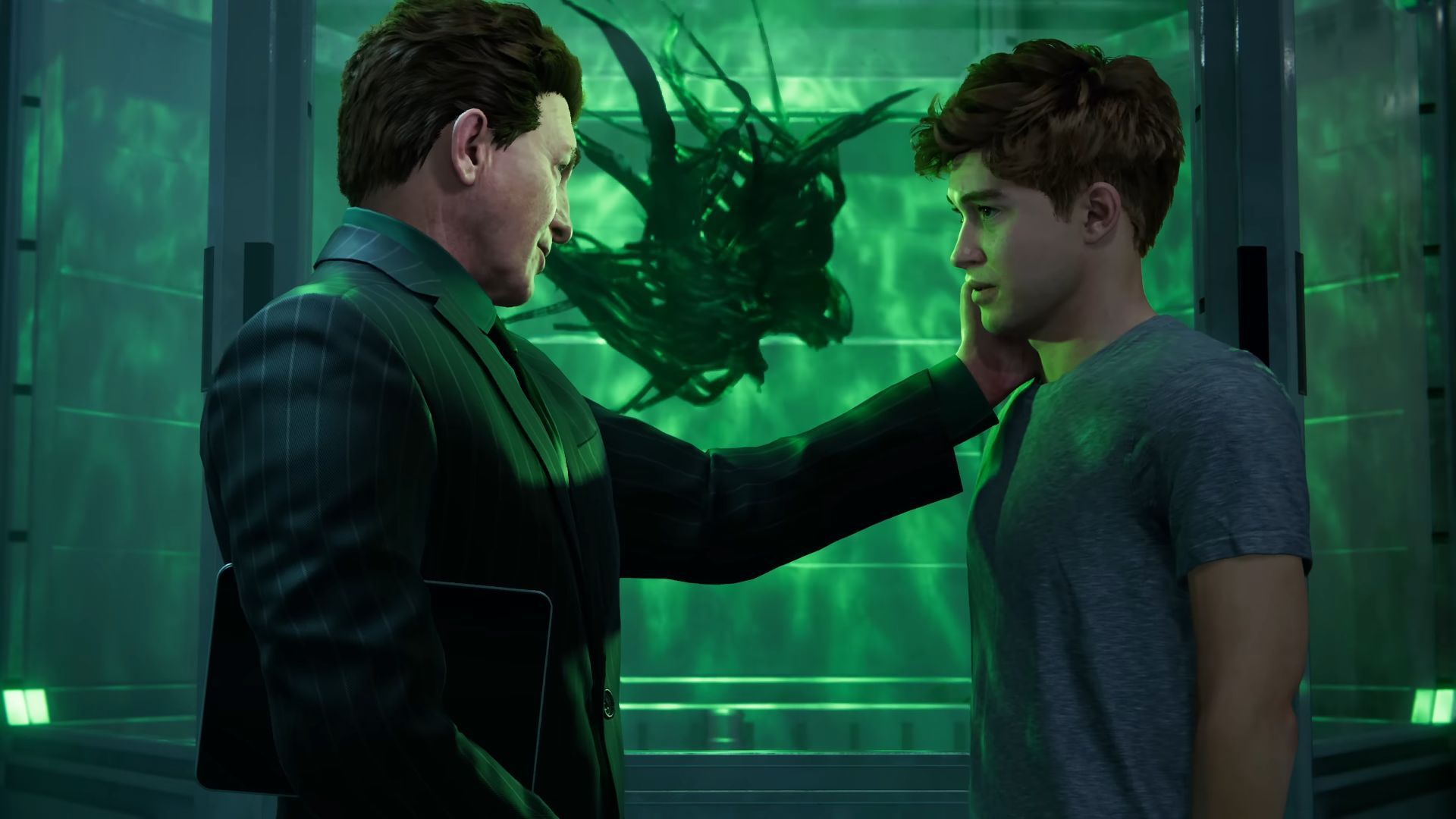
Harry Osborn: The Troubled Friend
Introduction
Harry Osborn is one of the most complex and tragic characters in the Spider-Man mythos. First introduced in “The Amazing Spider-Man” #31 in 1965, he has evolved from Peter Parker’s best friend to one of his most formidable foes as the Green Goblin. This analysis examines Harry’s portrayal across Spider-Man animated series, exploring how different adaptations have interpreted his character, relationships, and transformation while highlighting his significance as a tragic figure in the Spider-Man narrative.
The Evolution of Harry Osborn
The Early Years (1960s-1980s)
-
Spider-Man (1967-1970)
- Characterization: Harry makes only brief appearances in this series
- Portrayal: Limited to a few scenes as Peter’s friend
- Personality: Not fully developed, with little screen time to establish his character
- Significance: His appearance is minimal, serving primarily as a background character
-
Spider-Man (1981-1982)
- Characterization: Receives slightly more screen time than in the 1967 series
- Portrayal: Still primarily defined by his relationship with Peter
- Personality: Begins to show hints of his insecurities and strained relationship with his father
- Significance: Remains a supporting character, though with slightly more defined traits
-
Spider-Man and His Amazing Friends (1981-1983)
- Characterization: Makes occasional appearances throughout the series
- Portrayal: Often depicted as Peter’s wealthy friend
- Personality: Shows hints of his privileged background and occasional jealousy
- Significance: Remains a supporting character, but with more defined traits
The Definitive Portrayal (1994-1998)
- Spider-Man: The Animated Series (1994-1998)
- Characterization: The most fully developed portrayal of Harry up to that point
- Portrayal: Evolves from Peter’s best friend to a troubled young man and eventually the Green Goblin
- Personality: Initially friendly and outgoing, but increasingly burdened by his father’s expectations and eventual death
- Voice Acting: Gary Imhoff delivers a nuanced performance, capturing Harry’s charm, vulnerability, and eventual descent into madness
- Significance: Becomes a central character with his own tragic arc
Modern Adaptations (2000s-Present)
-
The Spectacular Spider-Man (2008-2009)
- Characterization: One of the most complex portrayals of Harry
- Portrayal: Introduced as Peter’s best friend with a complicated relationship with his father
- Personality: Charismatic but insecure, seeking his father’s approval
- Voice Acting: James Arnold Taylor delivers a standout performance, capturing Harry’s charm and inner turmoil
- Significance: Becomes a central character with his own development and eventual transformation
-
Ultimate Spider-Man (2012-2017)
- Characterization: Makes occasional appearances throughout the series
- Portrayal: Often depicted as Peter’s friend with a strained relationship with his father
- Personality: Shows his privileged background and occasional recklessness
- Significance: Remains a supporting character, but with more defined traits
-
Spider-Man (2017-2020)
- Characterization: Introduced as Peter’s friend and classmate at Osborn Academy
- Portrayal: Emphasizes his relationship with his father and his desire to live up to expectations
- Personality: Shown as friendly but burdened by pressure
- Voice Acting: Max Mittelman provides a voice that captures Harry’s charm and vulnerability
- Significance: Established early as an important character with his own storylines
-
Spider-Man: Freshman Year (2024-Present)
- Characterization: Reimagined as Peter’s friend in his freshman year
- Portrayal: Emphasizes his friendship with Peter and his relationship with his father
- Personality: Shown as enthusiastic, loyal, and slightly privileged
- Voice Acting: Hudson Thames provides a fresh, youthful voice for Harry
- Significance: Established early as an important character with his own distinct personality
Core Personality Traits
Consistent Traits Across Adaptations
Harry Osborn’s character is defined by several key traits that remain consistent across adaptations:
- Charisma - Harry is typically portrayed as charming and sociable, able to make friends easily
- Insecurity - Despite his outward confidence, he often struggles with deep-seated insecurities
- Loyalty - He is fiercely loyal to his friends, particularly Peter, at least initially
- Desperation for Approval - He craves his father’s approval and often goes to great lengths to earn it
- Tragic Flaw - His desire to please his father and live up to expectations often leads to his downfall
Evolving Traits
As Harry’s character has evolved, certain traits have been emphasized or expanded upon:
- Complexity - Modern adaptations often highlight the complexity of his character and motivations
- Ambition - Recent portrayals emphasize his ambition to prove himself
- Moral Ambiguity - Some adaptations explore his moral struggles more deeply
- Redemption Arc - Modern adaptations occasionally include a redemption arc for Harry
Relationships
Peter Parker/Spider-Man
-
Evolution of the Relationship
- Early Adaptations: Often starts as a straightforward friendship
- 1994 Series: Explores the gradual breakdown of their friendship as Harry becomes more troubled
- Modern Adaptations: Shows a more complex friendship with moments of both loyalty and conflict
-
Dynamic
- Friendship: Many adaptations establish a deep, genuine friendship between Harry and Peter
- Jealousy: Harry often feels jealous of Peter’s abilities or relationships
- Betrayal: In some adaptations, Harry feels betrayed when he discovers Peter’s secret identity
- Tragedy: Their friendship is often tragically torn apart by Harry’s transformation into the Green Goblin
-
Discovering the Secret Identity
- Timing: In some adaptations, Harry discovers Peter’s secret early; in others, it’s a later revelation
- Reaction: His reaction varies from disbelief to anger, often fueling his transformation
- Impact: The discovery typically deepens the tragedy of their relationship
- Resolution: Some adaptations show Harry coming to terms with Peter’s secret, allowing for a reconciliation
Norman Osborn/Green Goblin
-
Father-Son Dynamic
- Early Adaptations: Often portrayed as a distant, demanding father
- 1994 Series: Explores the complexity of their relationship, with Norman alternating between affection and harshness
- Modern Adaptations: Shows a more nuanced relationship with moments of genuine connection
-
Pressure and Expectations
- Norman’s Expectations: Norman often expects Harry to live up to impossible standards
- Harry’s Response: Harry typically responds with a mix of determination and fear of failure
- Impact: The pressure from his father contributes significantly to Harry’s emotional struggles
- Cycle of Abuse: Some adaptations subtly explore themes of intergenerational trauma
-
The Green Goblin Legacy
- Inheritance: In many adaptations, Harry inherits the Green Goblin mantle from his father
- Identity Crisis: Harry often struggles with the Green Goblin identity and its legacy
- Breaking the Cycle: Some adaptations show Harry attempting to break free from his father’s legacy
Mary Jane Watson
- Relationship Dynamics
- Love Triangle: In some adaptations, Harry has romantic feelings for Mary Jane, creating a love triangle with Peter
- Friendship: In other adaptations, they maintain a platonic friendship
- Jealousy: Harry’s feelings for Mary Jane often fuel his jealousy of Peter
- Impact: Their relationship, whether romantic or platonic, often plays a role in Harry’s character development
Other Relationships
-
Aunt May
- Often portrayed as having a warm relationship with Harry
- Aunt May frequently expresses concern for Harry’s well-being
- In some adaptations, she serves as a maternal figure for him
-
Gwen Stacy
- When both characters appear, their relationship varies from friendly to romantic
- Gwen often sees the good in Harry even as he becomes more troubled
- Her kindness sometimes serves as a brief reprieve from his inner turmoil
The Transformation into Green Goblin
The Trigger
- Norman’s Death - In many adaptations, Norman’s death or apparent death triggers Harry’s transformation
- Guilt and Grief - Harry often feels guilty for his father’s fate and grief-stricken by his loss
- Pressure to Live Up - The pressure to live up to his father’s legacy becomes overwhelming
- Chemical Influence - Some adaptations use a chemical substance (the Goblin formula) to facilitate his transformation
The Green Goblin Persona
-
Personality Shift
- Duality: The Green Goblin often represents the darker aspects of Harry’s personality
- Aggression: He becomes more aggressive and willing to use violence
- Madness: Some adaptations show him descending into madness
- Voice Change: His voice often deepens or becomes more menacing when he’s the Green Goblin
-
Motivations
- Revenge: He often seeks revenge against those he blames for his father’s death
- Proving Himself: He wants to prove he’s stronger and more capable than his father
- Controlling His Destiny: He seeks to take control of his life and the circumstances that have victimized him
The Tragedy
- Sympathy - Despite his villainous actions, Harry often remains a sympathetic character
- Tragic Fall - His transformation is typically portrayed as a tragic fall from grace
- Loss of Self - He often loses touch with his true self as the Green Goblin persona takes over
- Redemption - Some adaptations show Harry struggling to regain control and seek redemption
Cultural Impact and Legacy
The Tragic Villain
- Complexity - Harry Osborn represents one of the most complex villains in the Spider-Man mythos
- Sympathy - Unlike many villains, Harry often elicits sympathy from audiences
- Tragedy - His story is a classic tragedy of a good person brought down by his flaws and circumstances
- Reflection - His character serves as a reflection of the pressures and expectations that can destroy even the best of people
Influence on Other Media
-
Comic Books
- Animated portrayals have influenced how Harry is depicted in comics
- The depth of his character in animation has led to more complex portrayals in comics
-
Live-Action Films
- Elements of his animated portrayals have been adapted in live-action films
- His character was featured in Sam Raimi’s “Spider-Man” trilogy (2002-2007)
- His tragic arc has influenced subsequent villain portrayals in superhero films
-
Fan Engagement
- Harry has become a fan favorite character, particularly for his tragic complexity
- He has inspired numerous fan works, including art, fiction, and analysis
- His popularity has led to increased representation in merchandise and other media
Modern Relevance
-
Mental Health
- Harry’s struggles with mental health and emotional instability are increasingly relevant
- Modern adaptations often handle these themes with more sensitivity
- His character can serve as a starting point for discussions about mental health
-
Family Pressure
- The pressure Harry feels to live up to his father’s expectations resonates with many modern audiences
- His character highlights the destructive potential of unrealistic parental expectations
- His story serves as a cautionary tale about the importance of defining one’s own path
Voice Acting Legacy
Notable Voice Actors
- Gary Imhoff (1994-1998) - Delivered the definitive portrayal of Harry for a generation, capturing his charm, vulnerability, and eventual descent into madness
- James Arnold Taylor (2008-2009) - Provided a nuanced performance that balanced Harry’s charisma with his inner turmoil
- Max Mittelman (2017-2020) - Delivered a performance that emphasized Harry’s complexity and vulnerability
- Hudson Thames (2024-Present) - Provides a fresh, youthful voice for Harry in “Spider-Man: Freshman Year”
Impact of Voice Acting
- Character Identity: For many fans, the voice actors’ performances define their perception of Harry
- Emotional Connection: The voice actors’ performances help fans connect with Harry on an emotional level, even as he becomes a villain
- Consistency: Despite different interpretations, certain vocal qualities remain consistent, such as Harry’s charm and underlying vulnerability
- Evolution: The voice acting reflects the evolution of Harry’s character over time, from friendly college student to tragic villain
Conclusion
Harry Osborn has evolved significantly across Spider-Man animated series, transforming from a minor supporting character to one of the most tragic and complex figures in the Spider-Man mythos. His journey reflects broader themes of friendship, betrayal, ambition, and the destructive power of unmet expectations.
What makes Harry so compelling is his tragic complexity. He is not simply a villain; he is a friend who is torn apart by grief, pressure, and his own insecurities. His transformation into the Green Goblin is not just a physical change but a tragic descent into madness and despair.
As Spider-Man animated series continue to evolve, Harry Osborn’s character will undoubtedly continue to develop, reflecting changing cultural attitudes and storytelling trends. However, the core elements that make him so tragic and compelling—his friendship with Peter, his desire for his father’s approval, and his eventual downfall—will likely remain constant, ensuring his place as one of the most memorable characters in the Spider-Man narrative.
Harry Osborn is proof that villains in superhero stories can be more than just obstacles for the hero; they can be tragic figures with their own hopes, fears, and motivations, whose stories can elicit as much empathy as they do fear. His character serves as a reminder that even the best of people can be brought down by their flaws and circumstances, making him one of the most enduring and tragic figures in the Spider-Man mythos.