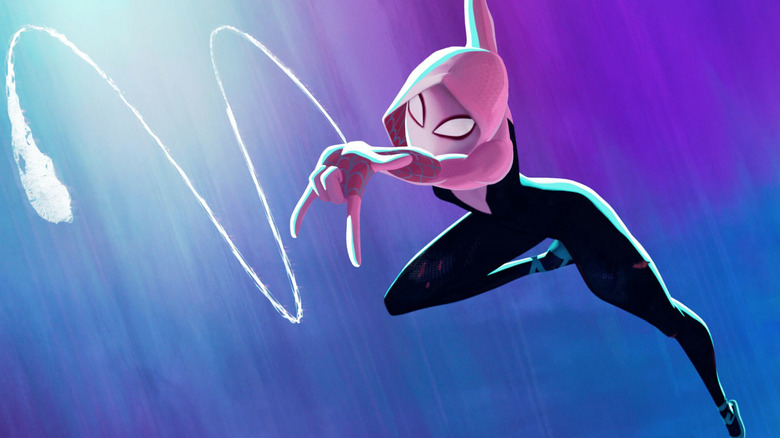
Gwen Stacy: The Tragic Heroine Reimagined
Introduction
Gwen Stacy holds a unique place in Spider-Man’s mythology. First introduced in “The Amazing Spider-Man” #31 in 1965, she is perhaps best known for her tragic death in “The Amazing Spider-Man” #121 (1973), a storyline that shocked readers and forever changed Spider-Man’s character. This analysis examines Gwen Stacy’s portrayal across Spider-Man animated series, exploring how different adaptations have interpreted her character, relationships, and legacy while reimagining her beyond her tragic fate.
The Evolution of Gwen Stacy
Early Appearances (1960s-1990s)
-
Spider-Man (1967-1970)
- Characterization: Gwen makes only brief appearances in this series
- Portrayal: Limited to a few scenes as Peter’s classmate
- Personality: Not fully developed, with little screen time to establish her character
- Significance: Her appearance is minimal, serving primarily as a background character
-
Spider-Man (1981-1982)
- Characterization: Receives slightly more screen time than in the 1967 series
- Portrayal: Still primarily defined by her relationship with Peter
- Personality: Begins to show hints of her intelligence and kindness
- Significance: Remains a supporting character, though with slightly more defined traits
-
Spider-Man: The Animated Series (1994-1998)
- Characterization: Makes occasional appearances throughout the series
- Portrayal: Introduced as Peter’s friend and classmate
- Personality: Shown as intelligent, kind, and supportive
- Significance: Her tragic fate from the comics is referenced but not fully adapted
- Notable Trait: Her father, Captain George Stacy, plays a more prominent role
Modern Adaptations (2000s-Present)
-
The Spectacular Spider-Man (2008-2009)
- Characterization: One of the most fully developed portrayals of Gwen Stacy
- Portrayal: Introduced as Peter’s first love and closest friend
- Personality: Intelligent, independent, and scientifically inclined
- Voice Acting: Lacey Chabert delivers a nuanced performance, capturing Gwen’s warmth and intelligence
- Significance: Becomes a central character with her own storylines and development
-
Ultimate Spider-Man (2012-2017)
- Characterization: Makes occasional appearances in later seasons
- Portrayal: Often depicted as Peter’s friend or potential love interest
- Personality: Shows her intelligence and scientific interests
- Significance: Remains a supporting character but with more defined traits
-
Spider-Man (2017-2020)
- Characterization: Introduced as Peter’s classmate and friend
- Portrayal: Emphasizes her intelligence and scientific abilities
- Personality: Shown as focused, determined, and slightly more reserved than Mary Jane
- Voice Acting: Laura Bailey provides a mature, intelligent voice for Gwen
- Significance: Established early as an important character with her own distinct personality
-
Spider-Man: Into the Spider-Verse (2018)
- Characterization: Reimagined as Spider-Woman/Gwen Stacy
- Portrayal: Introduced as a superhero from another dimension
- Personality: Confident, capable, and burdened by her own tragic past
- Voice Acting: Hailee Steinfeld delivers a standout performance, capturing Gwen’s strength and vulnerability
- Significance: Transforms Gwen from a tragic love interest to a heroic figure in her own right
-
Spider-Man: Freshman Year (2024-Present)
- Characterization: Reimagined as Peter’s classmate in his freshman year
- Portrayal: Emphasizes her intelligence and scientific interests
- Personality: Shown as curious, enthusiastic, and slightly awkward
- Voice Acting: Grace Kaufman provides a fresh, youthful voice for Gwen
- Significance: Established early as an important character with her own storylines
Core Personality Traits
Consistent Traits Across Adaptations
Gwen Stacy’s character is defined by several key traits that remain consistent across adaptations:
- Intelligence - Gwen is typically portrayed as a brilliant student, often with a focus on science
- Kindness - She has a gentle, compassionate nature and cares deeply for those around her
- Integrity - She has a strong sense of right and wrong and acts according to her moral principles
- Independence - She values her independence and has her own interests and aspirations
- Loyalty - She remains loyal to her friends, particularly Peter, even in difficult circumstances
Evolving Traits
As Gwen’s character has evolved, certain traits have been emphasized or expanded upon:
- Scientific Aptitude - Modern adaptations often highlight Gwen’s scientific abilities and interests
- Courage - Recent portrayals emphasize her bravery and willingness to stand up for what’s right
- Resourcefulness - Some adaptations show her using her intelligence to solve problems
- Emotional Depth - Later adaptations explore her emotional vulnerabilities more deeply
- Heroism - In some adaptations, she takes on a heroic role herself as Spider-Woman
Relationships
Peter Parker/Spider-Man
-
Evolution of the Relationship
- Early Adaptations: Often starts as a friendship that develops into romance
- The Spectacular Spider-Man: Explores their relationship in depth, from friendship to first love
- Modern Adaptations: Shows a more equal partnership with mutual intellectual respect
-
Dynamic
- Intellectual Connection: Many adaptations emphasize their shared love of science
- Emotional Support: Gwen often provides emotional support to Peter during difficult times
- Challenges: Her relationship with Peter is sometimes tested by his secrets and the pressures of his life
- Growth: Both characters grow through their relationship, learning from each other
-
The Tragic Element
- Comic Reference: Many adaptations reference or allude to her tragic fate from the comics
- Avoidance: Some adaptations intentionally avoid the tragic storyline
- Reimagining: Modern adaptations often reimagine her character to avoid or subvert the tragic trope
- Emotional Impact: When referenced, her potential fate adds emotional weight to their relationship
Other Relationships
-
Captain George Stacy
- Gwen’s father is often portrayed as a police captain or officer
- Their relationship is typically warm and supportive
- His connection to Spider-Man often creates tension or complexity
- In some adaptations, his fate mirrors or connects to Gwen’s
-
Mary Jane Watson
- When both characters appear, their relationship varies from friendly to competitive
- Modern adaptations often emphasize mutual respect rather than rivalry
- Their dynamic provides insight into both characters’ personalities
-
Harry Osborn
- In some adaptations, Harry expresses interest in Gwen
- This creates a love triangle dynamic with Peter
- Her relationship with Harry often reflects his character development
-
Other Characters
- Gwen’s relationships with other characters often reflect her kind, approachable nature
- She typically gets along well with Peter’s other friends
- Her interactions with Peter’s superhero allies vary from cautious to supportive
The Spider-Woman Reimagining
Spider-Gwen/Ghost-Spider
-
Origins
- The concept of Gwen Stacy as Spider-Woman originated in the “Edge of Spider-Verse” comic series in 2014
- This reinterpretation想象 Gwen as the one bitten by the radioactive spider instead of Peter
- The character quickly gained popularity, leading to her own ongoing series
-
Animated Adaptations
- Spider-Man: Into the Spider-Verse (2018): Introduced Spider-Gwen to a wide audience
- Spider-Man: Into the Spider-Verse 2 (2023): Further developed her character and backstory
- Other Appearances: Has made cameo appearances in other animated projects
-
Character Traits
- Heroic Qualities: Retains her kindness and compassion while adding bravery and determination
- Guilt and Responsibility: Often struggles with guilt over Peter’s fate in her dimension
- Growth: Shows growth as she learns to balance her personal life with her responsibilities as a hero
- Connection to Other Spider-People: Forms bonds with other Spider-People across dimensions
Cultural Impact and Legacy
The Tragic Trope
-
“The Night Gwen Stacy Died”
- The storyline from “The Amazing Spider-Man” #121 (1973) is considered a pivotal moment in comic book history
- It demonstrated that no character was safe, even major love interests
- It had a profound impact on Peter Parker’s character development
- It established a trope that has been referenced or subverted in numerous adaptations
-
Evolution of the Trope
- Early Adaptations: Often avoided or downplayed the tragic storyline
- Modern Adaptations: Often reimagine or subvert the trope
- Spider-Gwen: Completely reimagines the character to avoid the tragic fate
- Cultural Shift: Reflects a broader cultural shift away from using female character deaths as plot devices for male characters
Representation and Empowerment
-
Female Intelligence
- Gwen’s portrayal as a brilliant scientist challenges stereotypes about female characters in superhero media
- Her intelligence is often portrayed as equal to or even surpassing Peter’s
- This representation has become increasingly important in modern adaptations
-
From Love Interest to Hero
- The evolution of Gwen from a tragic love interest to a hero in her own right reflects broader changes in media representation
- Spider-Gwen has become a symbol of female empowerment in superhero media
- Her popularity demonstrates the demand for more diverse, complex female characters
-
Fan Engagement
- Gwen has become a fan favorite character, particularly in her Spider-Gwen iteration
- She has inspired numerous fan works, including art, fiction, and cosplay
- Her popularity has led to increased representation in merchandise and other media
Influence on Other Media
-
Comic Books
- Animated portrayals have influenced how Gwen is depicted in comics
- The success of Spider-Gwen in animation has led to more prominent roles in comics
-
Live-Action Films
- Elements of her animated portrayals have been adapted in live-action films
- Her character was featured in “The Amazing Spider-Man” films (2012-2014)
- Spider-Gwen has been referenced in the MCU
-
Merchandise
- She has become a popular character for merchandise, particularly in her Spider-Gwen iteration
- Her merchandise often emphasizes her scientific abilities and heroism
Voice Acting Legacy
Notable Voice Actors
- Lacey Chabert (2008-2009) - Delivered a standout performance as Gwen in “The Spectacular Spider-Man,” capturing her warmth, intelligence, and vulnerability
- Hailee Steinfeld (2018-present) - Brought Spider-Gwen to life with a performance that balances strength and vulnerability
- Laura Bailey (2017-2020) - Provided a mature, intelligent voice for Gwen in the 2017 “Spider-Man” series
- Grace Kaufman (2024-present) - Delivers a fresh, youthful voice for Gwen in “Spider-Man: Freshman Year”
Impact of Voice Acting
- Character Identity: For many fans, the voice actors’ performances define their perception of Gwen
- Emotional Connection: The voice actors’ performances help fans connect with Gwen on an emotional level
- Consistency: Despite different interpretations, certain vocal qualities remain consistent, such as warmth and intelligence
- Evolution: The voice acting reflects the evolution of Gwen’s character over time, from tragic love interest to multi-dimensional hero
Conclusion
Gwen Stacy has evolved significantly across Spider-Man animated series, transforming from a tragic love interest to a complex, multi-dimensional character. Her journey reflects broader changes in media representation, as she has grown to become a fully realized character with her own intelligence, agency, and in some cases, heroism.
What makes Gwen so compelling is her combination of intelligence, kindness, and integrity. She is often portrayed as Peter’s intellectual equal, sharing his love of science and his desire to help others. In modern adaptations, she has become a hero in her own right, challenging the traditional tropes that once defined her character.
As Spider-Man animated series continue to evolve, Gwen Stacy’s character will undoubtedly continue to develop, reflecting changing cultural attitudes and storytelling trends. However, the core elements that make her so beloved—her intelligence, kindness, integrity, and growing heroism—will likely remain constant, ensuring her place as one of the most iconic characters in the Spider-Man mythos.
Gwen Stacy is proof that female characters in superhero stories can be more than just love interests or tragic figures; they can be brilliant, brave, and heroic in their own right, with stories and struggles that resonate with audiences independently of their relationships with the heroes they support.